Too many photos

Since buying my first iPhone I have taken thousands of photos, which have been stored rather haphazardly in various locations on my computer, some identified only by their numbers. I recently resolved to declutter and reorganise my digital files, prior to updating my devices. Labelling all the photos and allocating them to folders has proved a massive task, made harder because of my somewhat obsessional nature. How to classify them? Some belong in more than one category – animals, husband, family, friends, holidays, me with different hairstyles. Which to keep? I don’t like deleting any, apart from a few duplicates and photos of people I no longer recognise.

The project – still not quite finished – has sometimes felt overwhelming. For a while I was rushing to get it done, and wishing I hadn’t started it at all. But it seemed too late to give up, so I resolved to take a more thoughtful approach and appreciate all the images for the happy or sad memories they evoked.

Doing this has been a poignant reminder of the transience of life. Many of the people and animals in the photos have now died. The appearance of myself and my husband has changed over the years, and not for the better. I may never want to look back at these files again myself, and I have no close family so nobody else will want to keep them after my death. Anyway, they might all have been wiped out by some technical disaster by then. I was reminded of the Tibetan Buddhist monks who create beautiful mandalas made of coloured sands, and then deliberately destroy them.

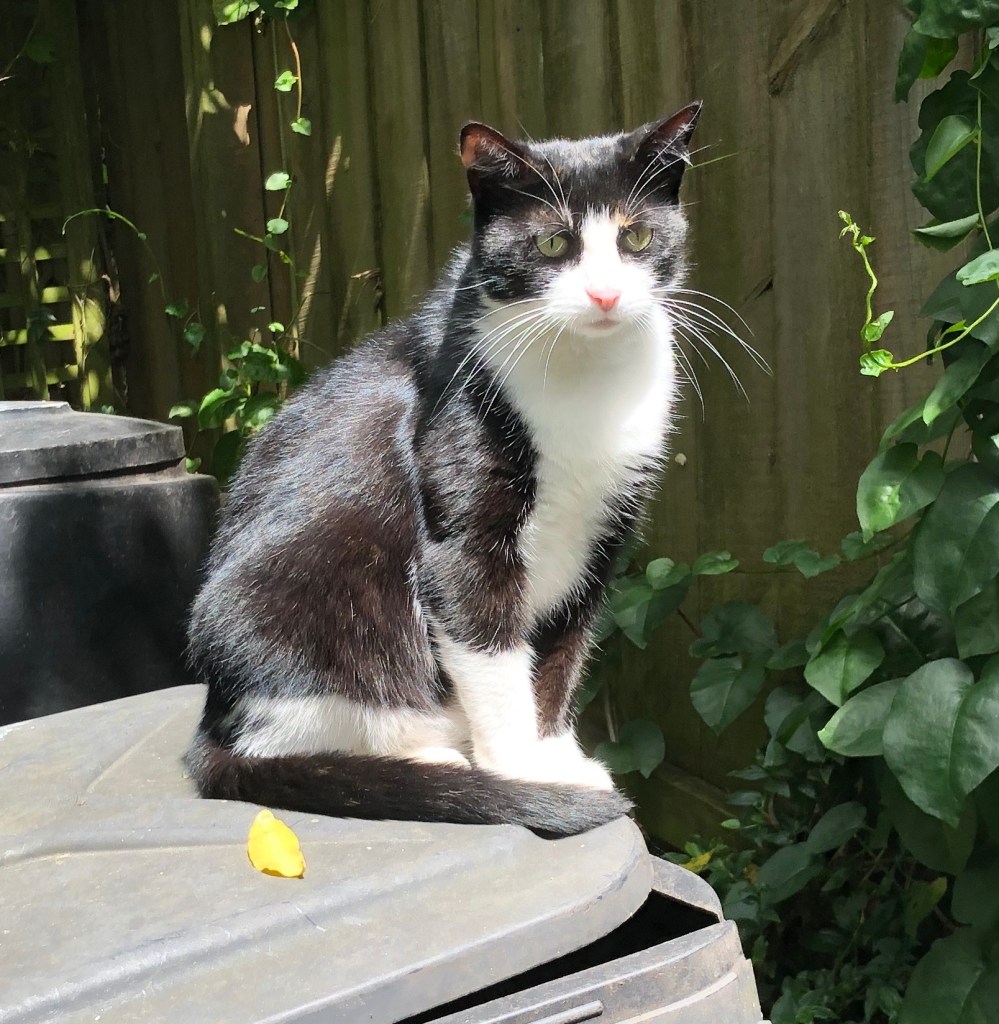
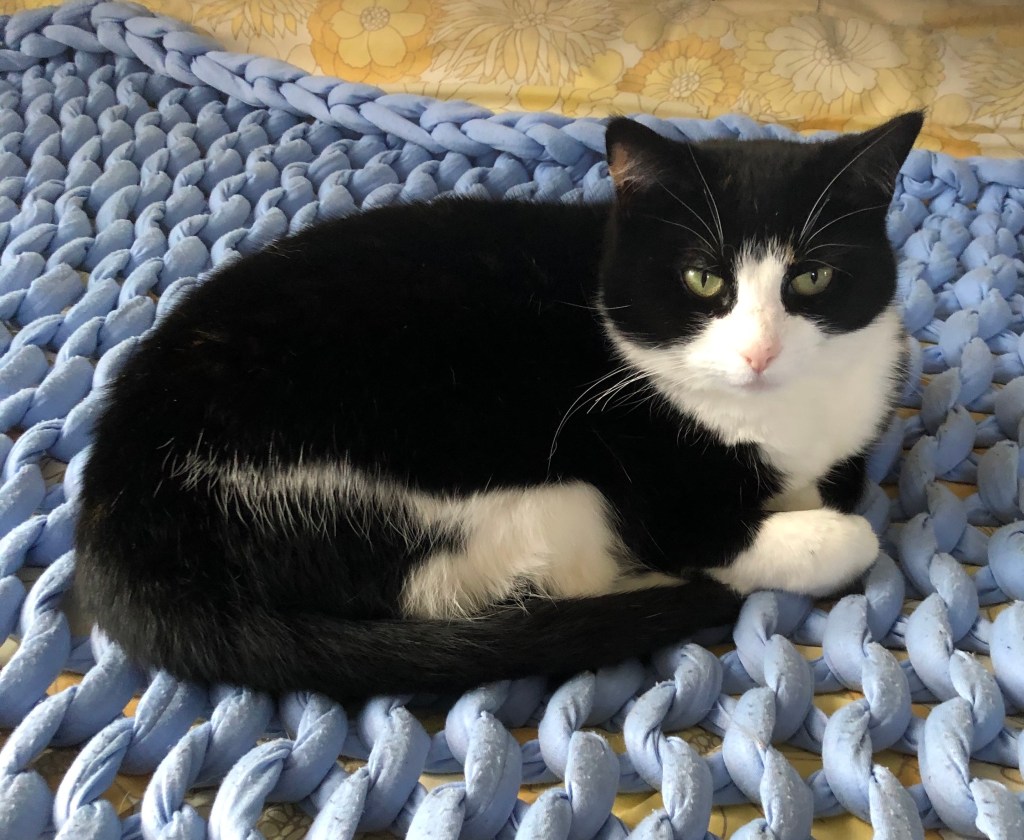
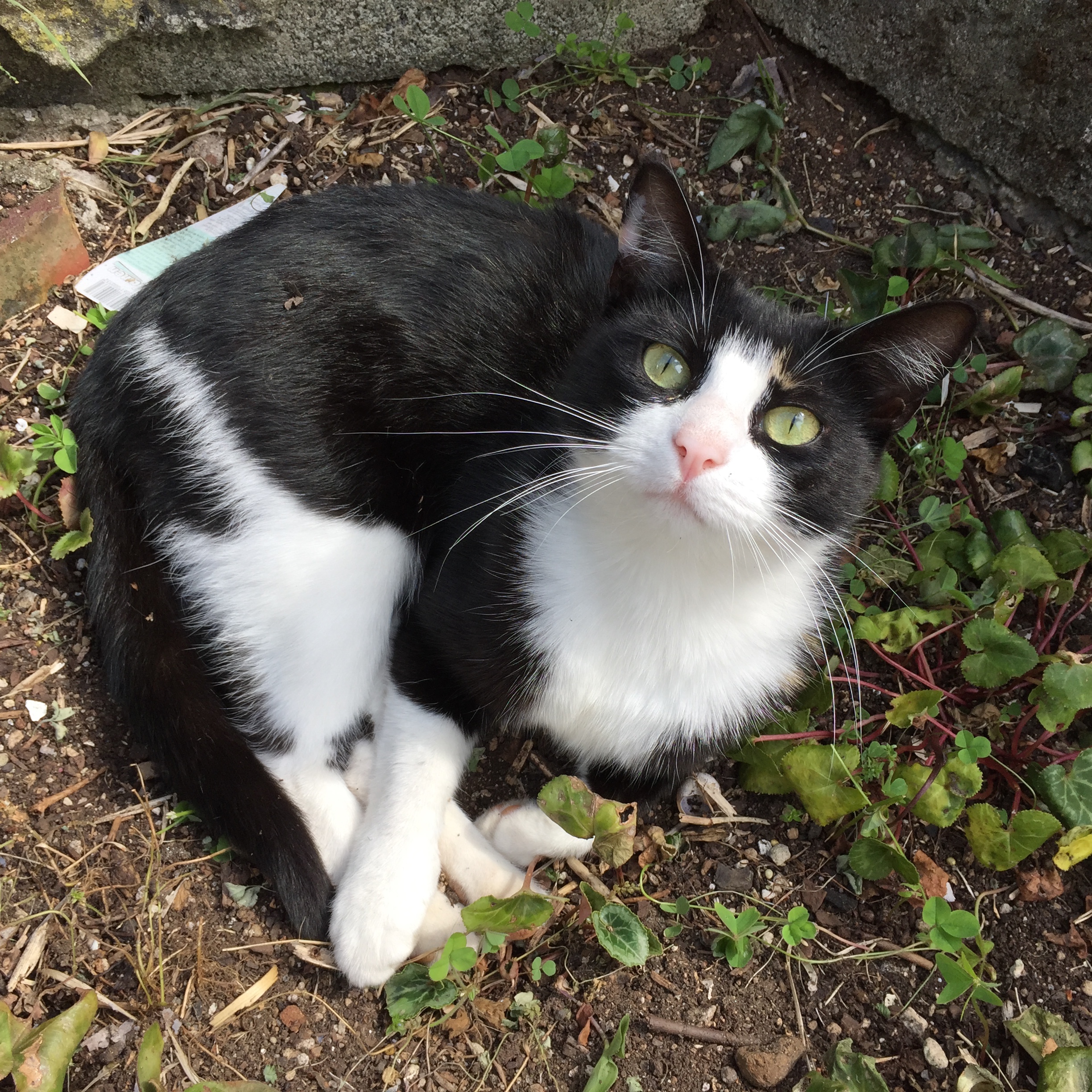
Only read on if you like cats. I usually include some photos in my posts, but couldn’t decide which to choose from among so many, so I decided just to feature the cats who have lived with us since we moved to New Zealand. Excluding all the foster kittens, there have been seven long term residents, two of whom – Magic and Leo – are still alive. It was quick and easy to find their photos, which made me think that the project has been worthwhile after all.
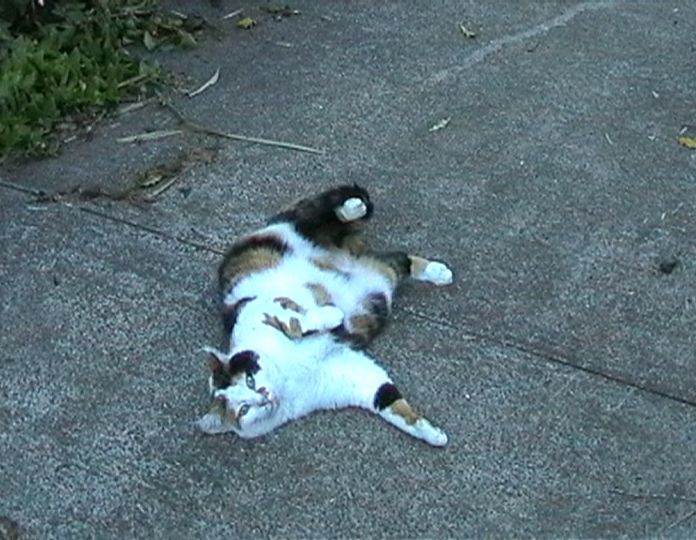
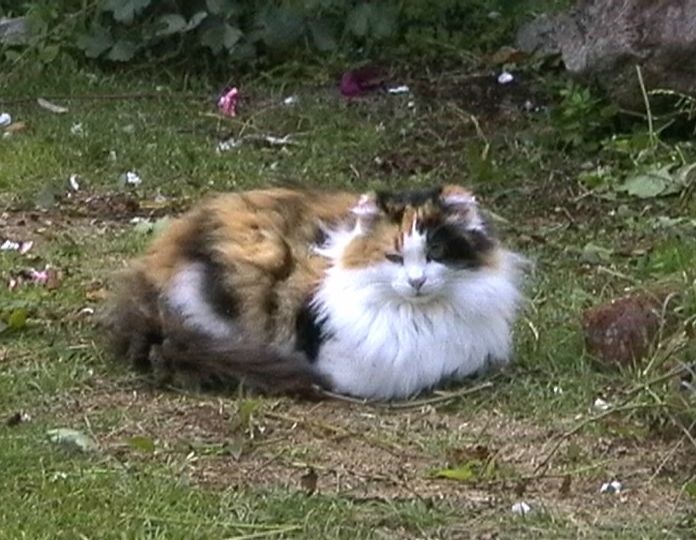
Cinderella
Floella (daughter of Cinderella)
Felix
Daisy
Homer
Magic
Leo

Bottle babies: feline neonatal care

I have fostered many homeless kittens over the years, but none less than 10 weeks old. I recently attended a workshop at my local animal rescue centre to learn about fostering neonates. These have usually been brought in by members of the public who have found an abandoned litter without a mother cat. Caring for these orphaned newborns is a full-time job requiring great dedication, as they need attention every 2 hours both day and night if they are to survive. After arrival at the centre they are allocated to a foster parent who can pick them up as soon as possible and take them home along with all the necessary equipment: carry cage, towels and bedding, microwavable heat pad, formula feed, bottle and teats, digital scale and bowl for weighing, syringes and toileting cloths.

Photo by Sam Paeez on Unsplash

The care routine, as demonstrated on a stuffed toy at the workshop, involves preparation and warming of formula food, hand washing, toileting, weighing, bottle feeding, toileting again, cleaning, burping, changing the bedding, cleaning the bottle, hand washing again, and recording notes to send in to the centre. The process is then repeated for the next kitten. It is best for each foster home to have more than one, so they can learn to socialise and play with each other.

They will spend the first 3 weeks in their cage, then at 3-5 weeks move into a larger crate, and then when they have learned to feed themselves and use a litter tray they have access to a small secure room but are not allowed outside. When they can eat solid food and have reached about 1 kg in weight, usually at 8-10 weeks of age, they return to the centre to be desexed, microchipped and vaccinated. Some will need a further few weeks of fostering, for example if they are still on medical treatment. They are then ready to go to their forever homes. Kittens at this stage are very appealing and are usually adopted within a few days of becoming available. Sometimes the foster parents can’t bear to part with them, as was the case with Magic and Leo (pictured) whom we decided to keep after fostering them 8 or 9 years ago.

Leo

Things do not always go smoothly. Small kittens from deprived backgrounds are vulnerable to infections such as cat flu, ringworm and Giardia. For this reason they need to be checked daily for symptoms such as lethargy, loss of appetite, diarrhoea, vomiting, sneezing, discharge from eyes or nose, scratching or hair loss. They also need to return to the centre once a week to be examined by a vet. Not all of them will survive, sometimes due to a condition called the fading kitten syndrome, which can develop for many reasons though often the cause is unknown. One friend of mine has questioned the wisdom of putting so much effort into saving their lives, when there are so many unwanted cats in New Zealand. But it would seem very hard hearted to let them die. A better solution to overpopulation is desexing, which is now being stepped up again having been suspended during the Covid pandemic.

Maybe reading this post will encourage others to consider neonatal fostering, After reflecting on the content of the workshop, I don’t think I have enough physical or mental stamina for the night work involved in looking after “bottle babies”, but I look forward to taking in some slightly older kittens again this summer.

Family and friends: an appreciation

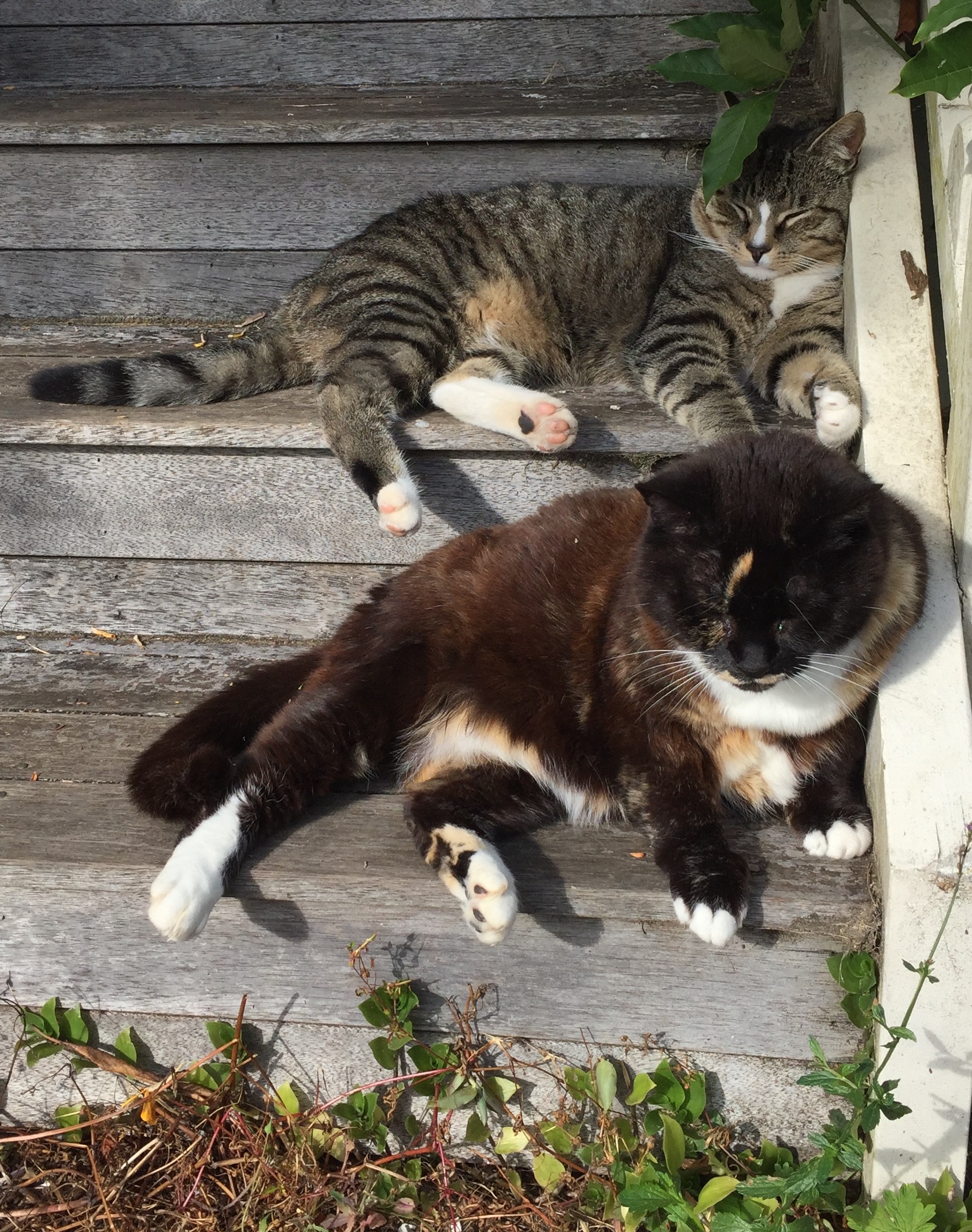
This short post is really about people rather than cats, but I couldn’t resist including a photo to show the friendship between Daisy (the tortoiseshell one) and Leo (the tabby).

daisy-and-leo-on-steps

I am in the final stages of editing my short memoir about the traumas of 2015 – 6: my husband’s collapse and heart operation, my mother’s death following abdominal surgery and a stroke, and my own stress-related illness. The positive theme that shines through amid these painful topics is the huge value of support from family, friends and neighbours during times of sickness and loss. I will always be grateful to the local people who took time to listen when I described my troubles, brought meals to the house when I was too unwell to shop or cook, and gave lifts to the hospital when I was too unwell to drive. I could not have coped without them.

Many of our closest friends and relatives live in the UK so were not able to give practical help, but their emails and phone calls were a great support. Most of them had also known my mother and several months after she had died, when Brian and I were well enough to travel, a return visit provided the opportunity to revive some family connections and make some new ones too.

Research consistently shows the importance of “good social support” in buffering the adverse effects of stressful life events, but not everyone has a network of people to call on in times of need. Loneliness is a significant predictor of poor health and reduced life expectancy, and it is endemic among many sections of modern society especially for older people who live alone. Companion animals can help; I remember when Brian was in hospital, and I was alone in the house, I appreciated more than ever the comforting presence of my three cats.

I am very fortunate to have so many good relatives and friends. Today, New Year’s Eve 2016 – the first anniversary of my mother’s death – I send my thanks to you all, with best wishes for 2017.

A Christmas Cat-Fest Part 3: Daisy the pianist

daisy-in-bedDaisy (aged fifteen) is our most musical cat. Of the many cats I have known, she is the only one to be fascinated by the piano. Whenever I attempt to practice she jumps onto the keyboard and marches up and down on it, taking particular satisfaction from playing the bass part. She is also a keen vocalist, expressing her desires for food or attention with raucous cries at all hours of day or night. When Daisy was about a year old, she and her three kittens came to us for fostering from the local veterinary surgery, where she had been left by her previous owners. We soon found homes for the kittens, but I nearly always end up keeping my fosters and so Daisy stayed on. Confident of her position as the senior cat in the household, over the course of her long life she has reluctantly tolerated the comings and goings of feline companions Felix, HomerMagic and Leo.

This is the end of my mini-series about cats, and I expect to return to posting on more serious topics in the New Year. Happy Christmas, and thank you for visiting my blog.

A Christmas Cat-Fest Part 2: Leo the lounger

  • leo-curled-up

Leo (aged two years) is our most laid-back cat. He is also the most affectionate, purring whenever I pick him up or stroke him or even just look in his direction. Leo is a solidly built cat who has a hearty appetite and spends most of his time relaxing around the house and garden. However he occasionally shows other sides of his character by chasing other cats off the property, and by running away from human strangers. Although he was a rescue kitten, he must have come from quite a kind background because he was so friendly and plump from the start. I fostered him for the Lonely Miaow Association but ended up adopting him myself because he got on so well with Magic.


A Christmas Cat-Fest Part 1: Magic the huntress

magic-on-cyclamen-bed  Magic (aged two years) is the most adventurous of our cats, sometimes to be found roaming far from home up on the mountain behind our house. She is also the only serious hunter in our feline family, being capable of catching large rats despite her delicate build. Magic’s small size is perhaps the legacy of a difficult start in life; she was brought into Auckland SPCA as a kitten, having been found cold and starving under a hedge beside her dead litter mates, and soon afterwards she became sick with cat flu and an eye infection. But she survived these traumas and has grown into a strong and healthy cat, with a ravenous appetite and a passion for raw chicken necks.

The challenges and rewards of volunteering

After I retired from paid employment I thought it would be a good idea to do some voluntary work. Having spent some years with other organisations I found my niche with Auckland SPCA, a charity which protects thousands of animals from neglect and abuse each year, and offers a variety of roles for volunteers.

The most important reason for volunteering is the altruistic one of contributing towards a worthwhile cause. Personal satisfaction comes secondary, however there are also benefits for the volunteers themselves: an enhanced sense of purpose, more social contact, taking more exercise and learning new skills can bring improvements in both mental and physical health.

Volunteering does not always work out well, and unsuitable people can be a hindrance rather than a help to the organisation they are meant to be serving. Those who have taken it up as occupational therapy for themselves can tend skimp on the more boring or arduous duties which are usually involved. Conversely, those who are carrying on from a sense of duty but not enjoying it can grow to feel martyred and burnt out. Retired people who volunteer for work related to their former profession can feel frustrated in a subordinate role where their knowledge and skills cannot be used to the full, whereas those who choose a new field can be daunted by the adaptation required.

Nowadays most organisations require aspiring volunteers to provide references, agree to police checks, attend training courses, and observe health and safety regulations. Becoming a volunteer is a formal process and a serious commitment, and helping out on a casual basis is seldom an option.

Based on my own experience in different settings, my advice to aspiring volunteers would be: Choose a cause that is truly important to  you, keep the big picture in mind if the day to day work seems tedious, and persevere long enough to understand how the organisation works and get to know some of its employees. I currently volunteer once a week in the fostering department of the Animal Village, and also take some part in fundraising activities, having previously worked in the cat ward, adoption cattery and on reception. Rather than cuddling sweet kittens, volunteers in the feline areas are mainly occupied in such tasks as setting up cages, cleaning bowls and litter trays, and replenishing stocks of food; these may be mundane, but are essential to the over-arching aim of saving animals’ lives. The paid staff members value and respect the volunteers, and have been tolerant of my slowness in learning practical procedures and my clumsiness in letting a cat escape from her cage. They remain cheerful and friendly despite having to deal with some heartbreaking cases of animals in distress. A high proportion of these animals can be successfully rehabilitated and rehomed and one of them, my own cat Magic, will be featured in my next post.

Daisy the piano cat

Every cat is unique in appearance, personality and behaviour. Our black and white Magic is addicted to raw chicken necks; Leo the tabby likes to relax in the letterbox; and tortoiseshell Daisy is interested in music. My attempts to practice the piano are often interrupted when she jumps up on the keys and plays a loud accompaniment. Here is a short video of Daisy’s latest composition.

Daisy may not be so skilled as the famous American piano cat called Nora but then, like me, she only started learning to play in later life.

P.S. A reminder that my short novel Blue Moon for Bombers is free from Smashwords until the end of November. To download a copy click here.

Homelands


Happier, healthier and several pounds heavier, I am back in Auckland after spending a sunny September in England. I’ve been lucky enough to be able to revisit my home country every year since we moved to New Zealand in 2000, and this year Brian came too. We were both anxious about travelling in view of our recent heart problems, so it was reassuring to discover that a consultant cardiologist was seated next to me on the outward flight. Neither of us needed his services and there were no medical emergencies during the rest of the holiday.

This visit was more than usually nostalgic, filled with reminders of my mother who died nine months ago. One sunny Sunday afternoon a group of cousins from her side of the family, the Guys, gathered for a picnic in the grounds of Gray’s Inn; our homes are so widely scattered around the UK and overseas that many of us had not met for decades. I had a friendly meeting with my first husband, having resumed email contact with him after my mother’s death. I walked on the sands at Margate in Kent, where my mother spent part of her childhood. And scattered a portion of her ashes beside her brother’s grave in the churchyard of the Yorkshire village where she lived in later life. Thanks to her wartime service in the British Army, I was able to stay at the Victory Services Club in central London, an ideal base for making daily trips around the country with my Britrail FlexiPass.

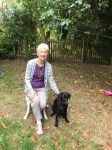
There have been other deaths among my UK contacts in the past year: two close friends have been widowed, another couple have lost a son, others are getting old and unwell, so some of my visits were tinged with sadness. But I still have many relatives and friends around the country, including some younger ones I did not know before, and though there was not enough time to see them all I did meet people from diverse places: Malvern, Frome, Gosport, Winchester, Kirk Hammerton, Oxford, Dorchester on Thames, Hythe, Manchester, Birkenhead, Shetland, Soberton Heath, Saffron Walden and various parts of London. Everyone was so kind and hospitable – thank you! Here I am in Sue’s allotment, with Sara’s dog, and with Brian in Oxford University Parks.

There were sightseeing visits too, to Charles Darwin’s home at Down House and the Sackville-West estate at Knole, both in Kent. My most adventurous solo trip was to Limerick, a first step in exploring my Irish ancestry on the paternal side, a topic I may write about in a future post. Limerick seemed a charmingly old-fashioned small city, so quiet and peaceful after London, and I had a lovely view of the River Shannon from my hotel room.

limerick

As always these visits make me question where my true home is, but at least for now it is in Auckland, and it is good to be back as England turns towards autumn and New Zealand to spring. Wearing clothes in different colours, after the all-blue wardrobe I packed for the trip. Thinking about writing another book. Being reunited with my cats.


My husband’s heart Part 3: Cardiac rehabilitation

Over two weeks have gone by since Brian had his open heart surgery, and it is one week since he was discharged from inpatient care.

We are both very happy that he is back home, though there continue to be ups and downs in his condition. During good periods he is able to walk short distances both inside and outside the house, and to eat reasonably well. However he has relapsed into atrial fibrillation on several occasions, and a recent blood test showed him to be anaemic. At times he feels weak and breathless and is unable to get warm. Formerly an avid reader, he has no interest in books at present, though he does follow the news on his computer.

We were advised that recovery from such a huge operation takes about three months, so perhaps cannot expect too much too soon. His medication – currently including amiodarone, warfarin, aspirin, an occasional beta blocker – will be reviewed by the cardiologist next week.

After the previous month of acute anxiety combined with frantic activity – travelling to and from the hospitals to visit Brian every day while managing practical, legal and financial affairs at home and dealing with medical appointments for myself – my own life has entered a quieter domestic phase. My role as nurse-housekeeper is not unduly arduous, so I am catching up on lost rest and sleep. Brian and I have time to spend together in a relaxed way talking, listening to music, or watching the four cats in the garden.

Daisy with flowersLeo on gatepostMagic on plum tree best photohomer at feijoa tree

All the regular engagements which once provided structure to my weeks – singing with St Patrick’s choir, volunteering at Auckland SPCA, attending Auckland Film Society, dog walking on Takapuna beach, coffee dates with friends in the city, yoga class – have been cancelled for the time being. The activity which means the most to me, creative writing, is also on hold. Apart from this blog and emails to friends I have written nothing for six weeks, but look forward to getting back to editing my new novel soon.