Along with a big crowd of other British expats wearing red white and blue, I attended a joyful and nostalgic version of the Last Night of the Proms performed with orchestra and choir in the Bruce Mason theatre on Auckland’s North Shore.
The programme began with God Save the King and finished with Rule Britannia, Land of Hope and Glory and Jerusalem, with many other traditional items in between. New Zealand content included the national anthem, a Maori song called A Te Tarakihi, and a film of the Spitfire flying at the Warbirds air show. The soprano soloist wore a series of splendid gowns, one resembling a giant Union Jack. I used to think I hated bagpipes, but the wonderful performance of Highland Cathedral by a pipe band was a highlight of the show.
Towards the end, the hall filled with balloons and streamers as the wildly enthusiastic audience sang along and waved our flags. We all had a good time, and perhaps some of us were left wondering whether the UK or NZ feels more like home.
I’m pleased to announce that Migraine and Me: A doctor’s experience of understanding and coping with migraine is now available as an ebook from Amazon Kindle and various other online retailers as listed on this link, with a print version planned to follow soon.
My migraines began in my teenage years and continued until later life. In this short book I’ve combined personal stories from myself and other contributors with information from published research. Writing both as a (retired) doctor and as a (recovered) migraine patient, I’ve aimed to balance the medical aspects with the psychological, social and even spiritual ones. The book describes how lifestyle measures and complementary therapies, as well as prescribed drugs, can help to prevent attacks. It covers some sensitive topics such as the concept of a ‘migraine personality’ and the reasons for stigma, and ends on a positive note with sections about creativity and ‘silver linings’.
To quote from the blurb: “Migraine and Me offers empathy, practical insights, and hope for anyone affected by this complex neurological condition, once described in a drug advertisement as hell on earth.”
If there is anyone in your circle who is affected by migraine and might be interested, please share this post with them. Here again is the link to the book.
My new ebook Migraine and Me is nearly finished but I’ve left the final draft aside for a while, so I can check it through with fresh eyes before publication.
Meanwhile I’ve been continuing my project of “Going wide with D2D”. The aims are to bring some of my earlier books to a wider readership, and to update my basic skills in formatting text and using self-publishing technology.So Wellbeing for Writers and Beautiful Vibrations are now available not only from Amazon Kindle (kdp) as before, but also from many other ebook retailers as shown on this link http://books2read.com/jenniferbarraclough.
“A short practical guide about how to enjoy the journey to becoming a (self)published author, and how to cope with challenges such as lack of time for writing, lack of inspiration, negative criticism, and aversion to marketing. Jennifer’s experience as an author of both fiction and non-fiction books, combined with many years of working with clients in various therapeutic settings, has given her a wide personal understanding of the psychology of writing. This little book includes many practical tips for making the process run smoothly, and enhancing mental and physical wellbeing.”
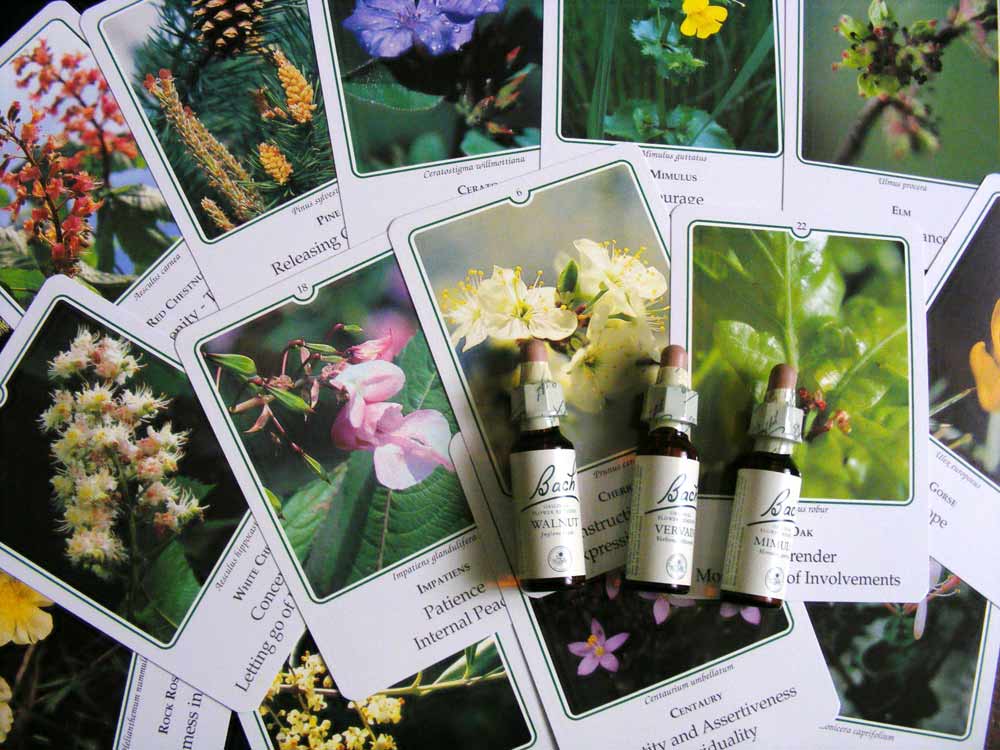
“Anxiety, sadness, anger and loss of hope are common responses to serious or chronic illness. Symptoms of the condition itself, side-effects of treatment, concerns about diagnosis and prognosis, restriction of activity, and changes in relationships take their toll on both body and mind. Ideally, negative feelings will soon be replaced by a more positive adjustment, but sometimes they are severe or prolonged. Bach flowers are not a cure for physical disease but help to relieve the emotional distress often associated with it. Dr Edward Bach described them as having ‘beautiful vibrations’ capable of promoting positive mental states such as hope, courage and calm. This practical guide, illustrated by case histories and flower photos, explains how to select and use the remedies as part of a holistic approach to healing. Despite all its unpleasant aspects, the experience of illness can have a silver lining and the flower remedies help to bring this out.”
In 2015 my husband Brian had major cardiac surgery. I wrote some posts describing his operation and gradual recovery on this blog – here are the links to Part 1, Part 2 and Part 3. Now it’s time for another episode. Writing about these experiences is my way of processing them, and maybe reading about them will be helpful for other patients and their partners who are going through something similar.
The operation was successful, and Brian remained fit and active both physically and mentally for the next eight years. Then he became slightly less well, with a more irregular heartbeat, and more shortness of breath when climbing up the 68 steps on the hill behind our house. These changes happened slowly and neither of us took too much notice – after all, it would seem normal to be slowing down at the age of 90. But after seeing the results of Brian’s routine followup echocardiogram, his cardiologist was concerned and arranged a series of further investigations.
These included a Transoesophageal Echocardiogram, CT Coronary Angiography, and Coronary Angiogram. Performed at weekly or fortnightly intervals, with blood tests in between to check Brian’s renal function, each of these tests involved spending a long morning at our local North Shore Hospital. They were not without risk, because they required sedation and/or arterial injection of contrast media, but Brian tolerated them well. He was understandably anxious during this period and I gave him a course of Bach flower remedies, Mimulus and White Chestnut, which seemed to help. When all the tests were complete we saw the cardiologist again. He said that the porcine aortic valve inserted in 2015 was broken and that Brian needed another operation “soon” – otherwise his prognosis would be very poor.
Brian said that he didn’t feel ill, so was rather reluctant to have another operation at his age, even though it would be a far less invasive procedure than the open heart surgery he had before. But he did agree, and on the following Monday I got a call from Auckland City Hospital asking us to come straight in that afternoon. Brian was given a single room, and hooked up to an ECG monitor. I tried to concentrate on reading while he had various tests, was visited by the anaesthetist and cardiologist, and was shaved all over in preparation for his TAVI at 7.30 a.m. next day. I went home in the evening and fed the cats.
TAVI stands for Transcatheter Aortic Valve Implantation. The procedure, which takes about two hours, is carried out under light anaesthesia. It involves making an incision in the groin to access the femoral artery, through which the new valve (formed from either porcine or bovine tissue) is delivered to the heart on the end of a catheter. Another incision is made in the radial artery, near the wrist, for the injection of contrast media to allow the procedure to be monitored by x-ray. There is a large team of clinicians involved: two interventional cardiologists, a specialist nurse, other nurses, cardiac physiologists, and radiographers.
It seemed pointless for me to go back to the hospital until Brian was out of the operating theatre, so I stayed at home and occupied myself by changing the bedlinen. In the middle of the morning a doctor rang to tell me that the operation had been completed successfully. I had not realised quite how stressed I was feeling until, on hearing this news, I burst into tears. When I returned to his room about noon I found Brian conscious and lucid though looking rather strange, with most of his body covered in a red dye, and wound dressings on his arms and legs.
Having had another echocardiogram to check that his new valve was working well, Brian was discharged the evening after his operation. A few days later he was feeling reasonably well, still needing to rest much of the time but able to go out for short walks. Full recovery is likely to take a month or two. It is wonderful to see what modern medical technology can achieve, and hopefully Brian’s TAVI will be followed by another long period of good health.
Update: I was going to publish this post last week but then Brian had a serious setback due to bleeding from the bowel. Apparently this can happen after a TAVI for various reasons. He required emergency admission to hospital and was very unwell for several days, but improved after a series of blood transfusions, and is now happy to be back home. He needs to rebuild his strength, and will be having further outpatient investigations to see whether there is a correctable cause for the bleeding.
The Bach flower remedies are not intended to treat migraine or any other medical disorder directly, but to correct any imbalances of mood or personality which may be associated, whether as cause or effect. They are among the many “complementary” modalities which can aid in the management of this complex condition.
The system was developed in England by Dr Edward Bach almost a hundred years ago. Through intuition, he identified a series of wild flowers corresponding to the emotional states of people and animals. This may sound unscientific and bizarre, but the therapy continues to be widely used around the world, and a number of clinical trials have testified to its effectiveness: I am one of the practitioners contributing to a new database of published studies which can be found at https://www.cambridge-bach.co.uk/bach-science-studies-database/ . The remedies, prepared in liquid form and taken by mouth, carry the energetic signature of the source plant. They are safe and free from side effects, having no chemical content apart from the low concentration of brandy used as preservative. An individualised mixture, containing up to six of the 38 remedies, is chosen for each client.
Because the therapy is prescribed for the person not the disease, there is no standard formula for migraine. Theoretical examples of flowers to address the emotional burden of the condition include Mimulus for fear of more attacks, Elm for feeling overwhelmed by responsibilities, Gentian for being discouraged about the lack of improvement, Red Chestnut for worries about how the attacks are affecting others. Treatment needs to be continued for several weeks to have a lasting effect but can be short-term for acute situations and Rescue Remedy, a combination of five flowers available as spray, can have a calming effect in the early stages of a migraine attack.
Whether or not a “typical migraine personality” exists, any long-term traits of personality which are making life more stressful could be contributing to attacks. Philip Chancellor’s book Illustrated Handbook of the Bach Flower Remedies, published in 1971, reads as somewhat old-fashioned but contains many interesting case histories from the records of Dr Bach’s clinic in the Oxfordshire village of Brightwell-cum-Sotwell. It describes five women with migraine, all of whom improved on remedies chosen according to their personality type. These included Chestnut Bud for being slow to learn from experience and repeating the same mistakes in life; Oak for working to the point of exhaustion due to a strong sense of duty; Scleranthus for an inability to make decisions; Vervain for being unable to relax due to over-enthusiasm; Wild Rose and Centaury for a woman passively resigned to being dominated by her husband and having no life of her own.
Two of my own books are relevant to this topic. Beautiful Vibrations: Living through medical illness with Bach flower remedies and Migraine and Me: A doctor’s experience of understanding and coping with migraine. Both are available in print or e-book formats through major online retailers.
This is another draft extract from the book based on my personal experience of migraine which I am currently writing and hope to publish in the next few months. I would like to include some short contributions from other people too, so if you have anything you would like to share in relation to this post or any other aspect of migraine, please leave a comment below or write to me through the contact page of my website jenniferbarraclough.com.
I am rather sceptical about claims that illness is a “gift” or a “lesson from the universe”. I think my life would have been much happier if I hadn’t had migraine. But no experience is entirely bad, so this post is my attempt to find some positive things to set against the hardships.
Having migraine provides a strong incentive to lead a “healthy lifestyle” – a nutritious diet, enough exercise, enough sleep, managing stress. For migraineurs it is especially important not to go too long without eating, not to over-indulge in food and drink, to avoid known triggers, and to maintain a reasonably regular daily routine. The self-discipline needed to stick to these guidelines can be tedious. But it will hopefully be rewarded not only by having fewer and less severe migraine attacks, but also by a reduced risk of many other medical disorders and of accidents, and an improvement in general wellbeing.
Activities which disrupt the daily routine too much are quite likely to bring on a migraine, spoiling the occasion for oneself and others, so it can be prudent to avoid them. Sometimes this is disappointing, for example when I decided not to accompany my husband on a trip to a beautiful island because it would involve an early morning start, a choppy sea voyage, and a strenuous walk before lunch. On the other hand migraine provides a good reason to be selective about how to use time and energy, rather than waste them on things which are neither enjoyable nor worthwhile. The temptation to cite migraine as an excuse to shirk unwelcome obligations should of course be resisted ….
While being less active in the outside world, there is more time to spend quietly at home, giving opportunities for rest and relaxation and creative activities. As discussed in another chapter of my forthcoming book, the migraine experience can inspire creativity, especially for painting but also in music, fiction and poetry. I haven’t made much use of my own migraine experience in my writing, except once in a short novel called Fatal Feverfew, which would seem quaintly old-fashioned today.
Over the years, outside of my career in orthodox medicine I’ve explored many systems of personal development, psychotherapy, natural healing, religion and philosophy. This has been mainly out of general interest but partly motivated, consciously or not, by the futile hope of finding “the answer” to my migraines. I’m not sure how much anything helped with the attacks themselves, but I have learned to cope with them better and to become more skilled in dealing with other people’s reactions. Hopefully all these studies have also made me a better-informed and more tolerant person.
As a final comment it is reassuring to know that, except in very rare cases of stroke during an attack, migraine does not cause permanent brain damage or cognitive impairment. And although migraine carries a raised risk of cardiovascular disease, the risk of developing diabetes or cancer is reduced, and the overall death rate is not increased. Most migraineurs therefore have a normal life expectancy, and maybe the best thing that can be said about migraine is that after the age of 70 it often goes away.
If you have found any positive aspects in your own experience of migraine I would be interested to know about them.
This is another draft extract from a book based on my personal experience of migraine which I am currently writing and hope to publish next year. I would like to include some short contributions from other people too, so if you have anything you would like to share about this or any other aspect of migraine, please leave a comment below or write to me through the contact page of my website jenniferbarraclough.com.
Stress is known to contribute to many medical disorders, presumably because of the impact of hormones such as adrenaline and cortisol, generated through the sympathetic nervous system, upon the body and brain. Many migraineurs cite stress as their top trigger factor, while others vehemently deny that stress has anything to do with it at all. Some of my own attacks have clearly been induced by stress, whereas others have apparently come out of the blue. Many people talk of stress without really thinking what they mean, and it is too easy to say of migraine or any other condition “It’s due to stress” or worse “It’s just due to stress”, when this may not be the case at all and is certainly not the whole story.
Feelings of stress are usually blamed on outside circumstances, the negative events and ongoing difficulties which are an inevitable part of life. But it is individual responses which determine how stressful these experiences are perceived to be. Responses depend both on mental attitudes and physical constitution. There is evidence that the sympathetic nervous system tends to be overactive in migraineurs even between attacks, causing them to live in a state of chronic low-grade physiological stress, perhaps without knowing it. This would explain why therapies which promote relaxation, such as biofeedback, are effective for migraine prevention.
One common source of stress is an accumulation of the hassles and demands of everyday life in the modern world – juggling work, household and family responsibilities, financial strain, discord in relationships, transport delays, a deluge of emails and media posts. Pressure can intensify at times which are supposed to be enjoyable, such as holidays or Christmas, when organising the preparations is combined with changes to routine and possibly physical stress from lack of sleep, unfamiliar foods or missed meals, and excessive exertion.
Even when there is no external cause, people can generate stress for themselves by setting unrealistically tight deadlines or high standards, mulling over regrets about the past or anxieties about the future.
Migraine itself is a potent source of stress, and vicious circles can develop, as in the case of someone who is worn out after a busy period at work, gets a severe migraine and has to take a few days off. There is nobody else to cover for them, so on returning they find a backlog of tasks has built up so that the workload intensifies, and leads to another attack. After this scenario has been repeated a few times they either lose their job because of being unreliable, or feel compelled to resign, and then experience the stress of unemployment and financial hardship.
The relationship between stress and migraine is not straightforward. It is recognised that some migraineurs manage to cope with intense pressure during the week, but get an attack at the weekend when in theory they have time to relax. Not all stress is bad. In the days when I was prone to severe migraines, I found that working very hard on a project that was important to me did not bring on an attack. Situations in which I felt frustrated and not in control, for example having to attend long meetings of little interest or wait hours in airports for delayed flights, often did.
I may be wrong but I have the impression that major crises, stressful though they are, do not necessarily trigger migraines and might even protect against them. A woman once told me that her severe and frequent attacks had stopped for several months following the sudden death of her child. I experienced something similar a few years ago when my husband was critically ill at the same time as my mother was dying. Although I became unwell myself with other mental and physical symptoms during this period, I did not get any migraines. I have never seen this phenomenon described in the literature and would be interested to know if others have experienced it.
In the world of indie publishing, “going wide” means listing books on several platforms rather than just one. Until now my self-published ebooks have only been available through Amazon KDP (Kindle Direct Publishing), though the print versions were already distributed more widely. Amazon has led the way in enabling writers to publish their work at minimal cost and I had been quite happy dealing with them over the years. But many complaints about their customer service can be found online, and I recently had a frustrating experience myself.
I was unable to access my KDP account because the one-time passwords (OTPs) were no longer coming through to my iPhone. I wasted hours on repeated failed attempts, online chats and calls to America. The customer service agents all tried to be helpful and suggested various solutions, which included sending copies of my passport and driving licence to Amazon. Nothing worked. I eventually discovered from another author on a local Facebook group that the problem was nothing to do with me personally, but affected all New Zealand phone numbers, and the remedy was to use an authentication app instead of an OTP.
This saga prompted me to look at other options, and so far I have republished two of my ebooks through the distribution platform Draft2Digital (D2D). These books are still available on Kindle, though no longer in the exclusive “Select” program, but are now also listed by many other retailers worldwide. I found D2D easy to use, because authors just need to upload their text, and D2D’s computer will deal with formatting and add details such as the title page and table of contents if required. I sent a couple of queries to the help desk and received helpful and intelligent replies.
The next challenge is to sell more books, and this is the difficult part. I love the process of writing them, and also enjoy learning the basics of how to format texts and upload them to the internet. But I thoroughly dislike marketing and seldom do any, other than via occasional posts on this blog, and therefore get very few sales. That doesn’t matter from a financial viewpoint because I don’t depend on authorship as a source of income. But it is nice to earn a little money in return for all the work I’ve put in, and more importantly to know that some people read and hopefully enjoy what I write.
So if you haven’t seen them already, please have a look at my two most recent novels which are both gentle mystery stories involving family relationships and domestic crimes. You Yet Shall Die is set in rural England with a timeline ranging from the 1940s to the 2000s. Cardamine is set in New Zealand just before the Covid pandemic. The ebook versions are available from many different retailers as well as Amazon; have a look through this link.
While out and about I always say hello to the dogs I meet, and most of them want to be friendly. I have patted hundreds of them over the years, and never been bitten – until last week. I was walking past a cafe where a medium sized black dog was sitting with his family at an outside table. Our eyes met. I began to approach him, assuming he wanted a pat, but he suddenly lunged forward and sank his teeth into my hand. It was a deep bite and very painful. I went into shock and almost fainted. The dog’s devastated owner and the cafe staff were very helpful, bringing me water and putting iodine and a plaster on the wound. After a while I felt well enough to continue on my way.
The pain continued all day, and by next morning my whole hand was red and swollen. My husband came with me to the emergency department of our local hospital. I was seen by a specialist nurse who gave me a tetanus booster and some blood tests, arranged for a hand X-Ray and admission to the orthopaedic ward.
The ward was full, so I spent the first day receiving my intravenous antibiotics in the corridor of a crowded and noisy medical assessment unit. I was transferred to a spare bed in a gynaecology assessment unit overnight, and finally reached the orthopaedic ward before lunchtime next day. This was not ideal but the important thing was having been promptly started on treatment, without which I realise I could have lost an arm or even died.
Being in hospital was a new experience for me and not nearly so bad as I expected. All the staff I encountered were skilled, efficient and kind. It was interesting to chat to other patients, and good to receive visits and messages from family and friends. I felt surprisingly well during my stay but it was a while before the cellulitis began to resolve. I was scheduled for surgical drainage on the third day, but by then the operation was judged to be unnecessary and I was discharged home to continue on oral medication for another week.
Dogs usually bite because they feel threatened, and it is those who have been abused as puppies who are more likely to become aggressive in later life. The owner has kept in touch and I hope to meet him again to find out something about the culprit’s background and character, and try to understand why I provoked him. I will be more cautious in future about patting strange dogs.
Update March 2024
Three months after the events described above, I arranged to have coffee – in a different café – with the family of the dog that bit me. As I suspected, Baxter (not his real name) had been cruelly treated in early life, during that vital period from about 8-16 weeks which can make or mar a dog’s temperament. He was born overseas in a puppy mill, transported long distances, and surrendered to a rescue centre before being adopted by his present owners. Even after some years in a loving forever home, he still has some behaviour problems, and is now having professional therapy. When I saw him at a distance he regarded me suspiciously. I have let go of any fantasies about making friends with Baxter, but seeing him and his family again gave me a worthwhile sense of “closure”, and I wish them well on the long journey of rehabilitation for a dog who has been so damaged by early abuse. By the way my hand wounds have healed well, leaving just a tiny scar to remind me of what happened.
This is a draft extract from a book, based on my personal experience of migraine, which I am currently writing and hope to publish next year. I would like to include some short contributions from other people too, so if you have anything you would like to share about this or any other aspect of migraine, please leave a comment below or write to me through the contact page of my website jenniferbarraclough.com.
People who are vulnerable to migraine often report that dietary factors – foods, drinks, and meal patterns – can trigger their attacks, and this is certainly true in my case. Eating cheese is the worst thing for me. It took many years to recognise this, which now seems strange, but because it was something I used to eat almost every day when I was younger I didn’t notice a connection. Also, this was years before it was possible to look up health information on the internet, and we were not taught much in medical school about relationships between diet and disease. Cheese, especially strong aged ones, is implicated for other migraineurs too and this is believed to be because it contains high levels of a biogenic amine called tyramine. This substance gets metabolised in the gut by an enzyme called monoamine oxidase, but people who only have low levels of this enzyme cannot process it fast enough, so that it builds up in the body and can cause not only migraine attacks but also increases in blood pressure and symptoms such as nausea, sweating and anxiety. Other high tyramine foods which are sometimes implicated in migraine include chocolate, processed meats such as bacon and salami, smoked fish, raw onions, fermented or pickled vegetables, broad and fava beans, oranges and other citrus fruits, ripe bananas, pineapples and avocados. None of these disagree with me like cheese does, so I suspect that the combination of chemicals besides tyramine found in different items of food is involved in individual sensitivities. While some migraineurs benefit from a low tyramine diet, others have reported benefit from gluten-free, dairy-free or ketogenic diets, or from giving up all forms of sugar.
While some foods may be best avoided, the good news is that others – those containing high levels of omega-3 fatty acids – have been found to reduce the frequency and severity of attacks. They include oily oily fish, dark leafy greens, chia seeds, flaxseed, tofu, walnuts, and eggs.
Alcoholic drinks are often blamed for precipitating migraine attacks. This may not be due so much to the alcohol itself, as to the fact that they contain various other chemicals, again including tyramine. I love wine, so am glad to say that white or rose in moderation is not a problem for me, in fact it is probably helpful because of its relaxing effect. Red wine is more risky, and is notorious for provoking headaches even in people without migraine, probably because of its quercetin content. I seldom drink more than one glass of anything nowadays, having found in the past that just a slight excess can be followed by a whole day of feeling very ill with a ghastly mixture of migraine and hangover symptoms. When cheese and wine parties were fashionable they often proved a disaster for me.
Coffee, and other caffeinated drinks, are migraine triggers for some people. I am fine with one double shot flat white or Americano mid-morning, but not more. Sudden withdrawal of caffeine can also lead to an attack, so it is best to keep a fairly constant intake. A few years ago I spent a week at a health resort where coffee was forbidden. I had cut down on it the week before but still had a nasty headache for the first three days, though this did not develop into a full-blown migraine. Paradoxically, caffeine is present in some over-the-counter medicines for migraine, and black coffee has been found helpful during attacks as a treatment for people who do not usually drink coffee at all.
The timing and size of meals is important, as well as the type of food and drink they contain. Going too long without food or water can precipitate a migraine attack, but so can eating too much at one time, so it is important to maintain a reasonably regular meal schedule and to avoid dehydration.
Food triggers may be hard to identify because there can be a delay of hours or even days before their effects develop. If someone gets a migraine soon after eating a certain type of food they may develop a fear of that item and avoid it in future, although the attack may actually have been caused by something else. There may be a psychological element involved – for example if I have given in to the temptation of eating a piece of cheese, I usually worry about it afterwards and my anxiety may increase the likelihood of an attack.
Avoiding alcohol, caffeine and all suspected food triggers requires a lot of will power, is awkward in social situations, and makes for a somewhat joyless existence for those who enjoy eating and drinking. Some of the “migraine diets” to be found on the internet appear impossibly restrictive and might even cause nutritional deficiencies in the long term. Dietary triggers are not the same as allergies in which eating even a tiny amount of a certain food, peanuts for example, is quickly followed by a severe reaction or even death. Many migraineurs can get away with eating their trigger foods in small amounts now and then provided they are not exposed to other risk factors at the same time.








 Jennifer Barraclough