Revisiting my NZ/UK Trilogy

Except for those outstanding ones that acquire classic status, most modern novels lapse into obscurity within a few months of publication. This is a pity because they might well remain readable for years to come. The huge number of new books being released every day is one reason for declining sales. Another is a lack of ongoing marketing and, in common with many other authors, I feel uncomfortable with self-promotion. But there are times when it has to be done, so this post is about the revival of some of my earlier work.

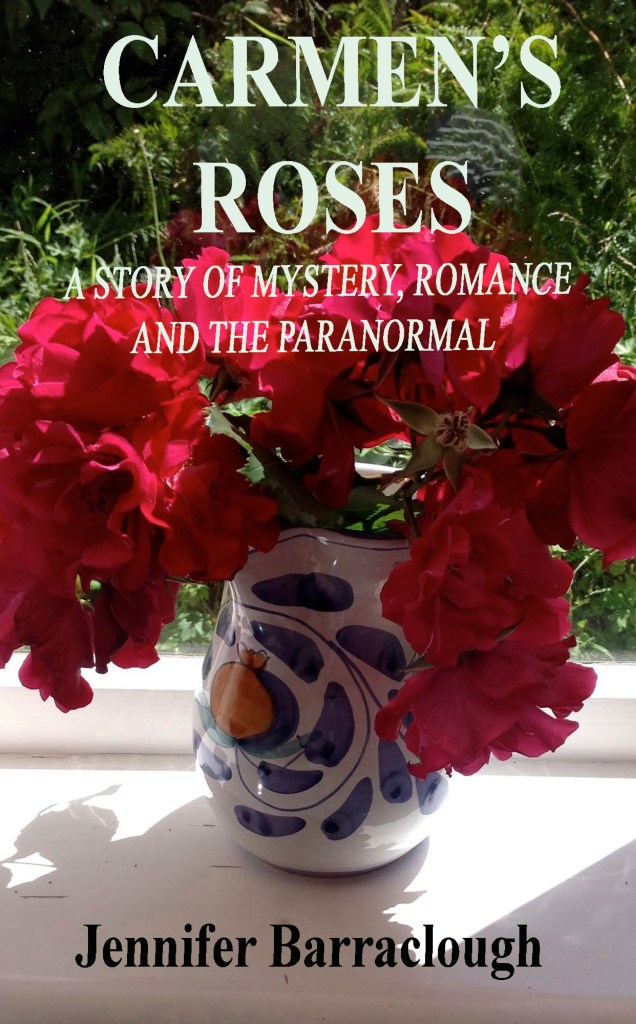
Ten years have passed since I began my self-publishing career through Amazon kdp, with a short novel called Carmen’s Roses. Encouraged by its success I went on to write two sequels, Blue Moon for Bombers and The Windflower Vibration, published separately and then as a combined set called Three Novellas. To mark their 10th anniversary, and in the hope of reaching a wider readership, I am now reissuing them as low cost e-books on multiple channels through the Draft2Digital platform.

The first book Carmen’s Roses is set in Devonport, the Auckland suburb where I live. It is a story of mystery and romance which touches on some deeper themes. The narrator, Iris, is leaving the English winter to take a holiday in the New Zealand sunshine, with the intention of completing her recovery from a serious illness and making amends for a shameful episode in her past. But the shock of a sudden death, the shadow of an old love affair, and the onset of ominous new symptoms threaten to destroy her hopes of happiness and healing. The book, described by one reader as an “Interwoven tale of love, mystery and more than a touch of the paranormal'” received 5-star reviews on Amazon, for example “Jennifer draws believably on her medical background and in this story weaves a very tangled web indeed”.

The second book, Blue Moon for Bombers, is set in England in 2007, when an old man in his hospital bed is haunted by memories of serving with Bomber Command in World War Two. Meanwhile back in his country home, the continuing fallout from his wartime trauma leads to rising tension among the two younger couples who are marooned indoors by the summer floods. With testimony from an unexpected visitor, and some guidance from the spirit world, the family’s secrets are revealed and the emotional wounds begin to heal. Again, the reviews were positive: “Excellent strong plot … like a Victorian novel set in modern times” “Brilliant ending”.

Thirdly The Windflower Vibration, with action split between Takapuna in New Zealand and Malvern in England, continues and weaves together the stories from the first two books. A man dies while swimming off an Auckland beach, and a woman who witnesses the event becomes involved in its aftermath. Was the death due to natural causes hastened by medical malpractice? Or was it one strand in a complex web spread over two hemispheres and two centuries? Although I think this book is equal in standard to the previous ones it gained less attention, perhaps because it deals with characters in later life – just one 5 star rating, no reviews.

Rereading my three novellas recently I felt they deserved a new lease of life. So if you haven’t seen them before, please have a look at these ebooks, and some of my others, through this link. There are print versions on Amazon too.

Memories of England in pictures

Twenty-four years after moving to New Zealand, I am very fortunate to still have many friends and relatives in England and still be able to go back and see them. A consecutive Britrail pass provides the freedom to travel around the country on any train at any time, to visit people and places that played an important part in my earlier life and to take some pictures to remember them by.

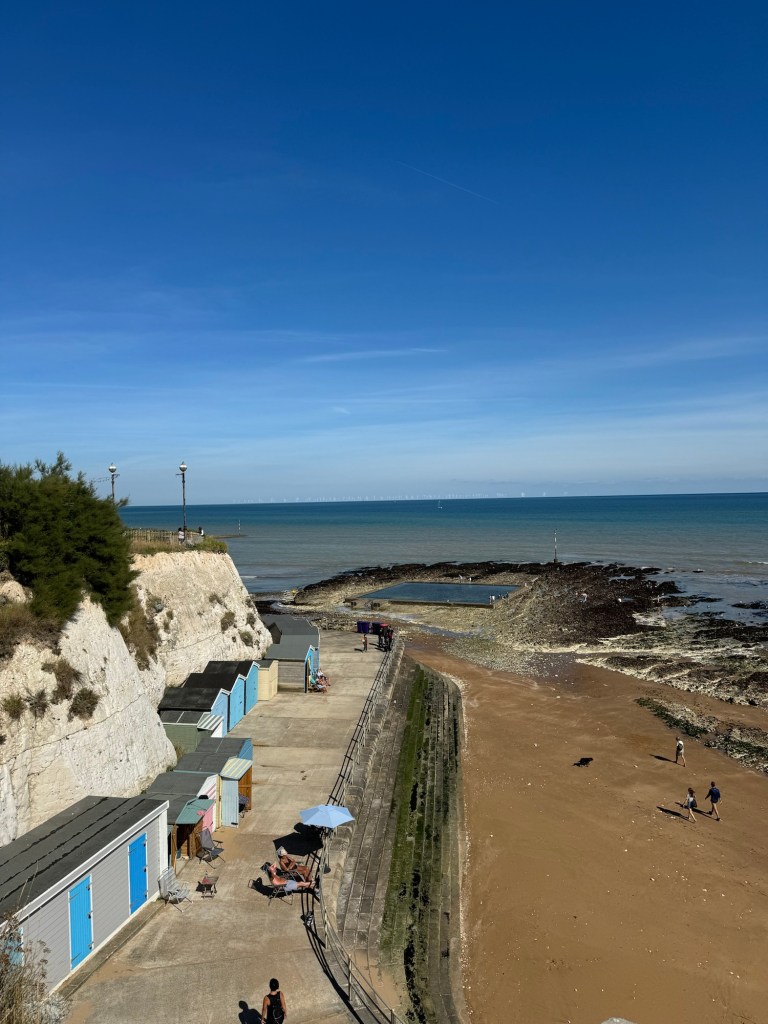
My mother was brought up in Ramsgate and Margate, and during my own childhood we often visited these and other seaside towns in Kent.

Broadstairs in the sunshine
Folkestone harbour on a dull day

My own childhood was spent in Gravesend. Returning there recently I found the town so changed that I hardly recognised it, and didn’t take any photos other than one of the house where I grew up.

Our old family home on The Overcliff

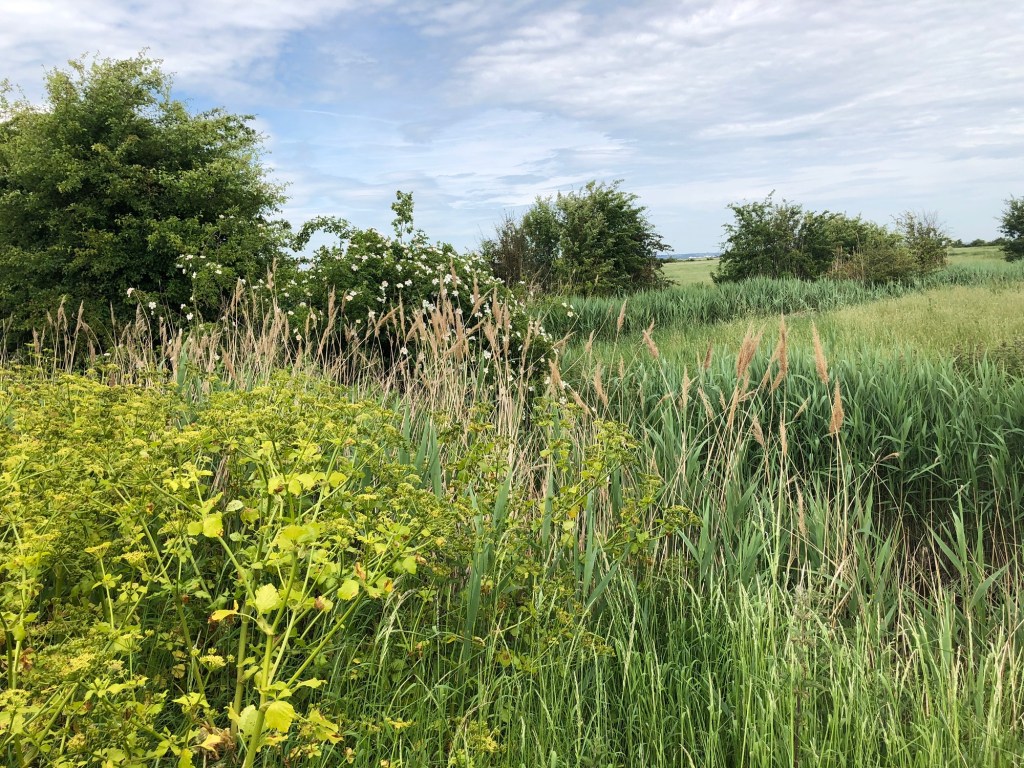
Besides the outings to the seaside we often visited other parts of Kent.

North Kent marshes – where I set one of my novels
Cutty Sark – now in Greenwich but was lying on the Greenhithe shore during my childhood

My teenage years were spent in Yorkshire. I don’t often go back there now, but I took this picture during a delightful stay with an old school friend who lives in Wharfedale.

A stream near Leathley

Oxford, where I attended medical school and spent most of my subsequent career, still feels like home. The city centre has deteriorated but walking by the river is lovely as ever.

River Thames in Grandpont Nature Park

And a favourite place full of memories – the College of Healing course, the Elgar museum, the walks on the hills – is Great Malvern.

The Malvern Hills – I think this one is called the Sugarloaf
Walking on the Malvern Hills

A highlight of my time in London was a lunch party for 24 of the friends who have given me hospitality over the years.

One of three tables set for lunch

As we all get older, and the state of the world gets more precarious, I know I may not see some of these people and places again. But I hope there will be more visits to England still to come.

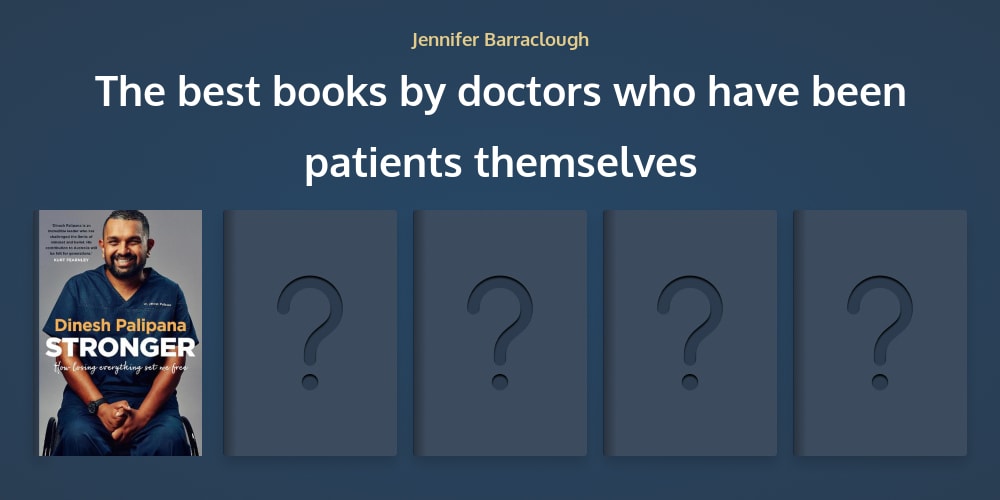
The best books by doctors who have been patients themselves

The website Shepherd.com offers readers a new way to discover books that may interest them. Each page describes one book by a contributing author, and five others on a related theme. I was invited to create a page on a theme of my choice, and having just published a memoir about my own migraine, I decided to look for books written by other doctors who had been patients themselves. I was less interested in the medical details than in the way the illness experience had shaped their personal and professional lives. I came up with a varied list of recommendations.

Doctors can face particular challenges when they become patients. The change of status may seem humiliating, as poignantly described in the saddest book on my list, by an eminent surgeon who felt himself reduced to “Just another old man with prostate cancer”. On the positive side, doctors who are still working may well become better clinicians especially as regards communication with patients and relatives. This comes through in a collection of vignettes about the everyday clinical work of a doctor with a long history of ulcerative colitis. A memoir by a medical student who was rendered quadriplegic in a car accident, but went on to qualify and build a successful career, is an inspiring read showing what determination can achieve. My two most unusual book choices are by doctors whose illness experience proved a catalyst for a move away from orthodox medicine towards alternative fields with a spiritual focus.

To see details of my list please click on the image below, or visit this page.

,

Migraine: stigma and misunderstanding

Although medical topics are more openly discussed nowadays, some diagnoses seem more socially acceptable than others. People are quite happy to talk loudly in cafes about their heart attacks and hip replacements, but not about conditions likely to evoke fear, disgust, disapproval – or disbelief, in cases of “invisible” illnesses that are not clearly defined or understood.

When I have been injured in falls caused by my own recklessness while playing with exuberant dogs or running on slippery rocks, other people have always been helpful and sympathetic. Such a contrast to the negative reactions I have sometimes received in relation to migraine, and I know that my experience is not unique. People who have never had an attack themselves may assume migraine to be “just a headache”, or “all in the mind”, a trivial indisposition being exaggerated to gain sympathy or avoid unwanted obligations, and brought on through the sufferer’s own fault. 

Research over recent years has identified some of the genes which predispose to migraine, and some of the physiological changes that take place during attacks, and migraine is now classed as a neurological disease. But its validity is not always recognised because it is a complex condition that can present in a wide variety of ways and follow a variable course, and there is no diagnostic test. Other conditions which have a consistent symptom pattern accompanied by specific abnormalities of biochemistry, pathology or Xray, are more likely to be taken seriously. 

Someone in the throes of a severe attack, prostrated by pain and vomiting, is clearly very unwell. But in between attacks they may look and feel quite healthy, so that observers cannot believe there is anything wrong with them, and do not understand why they may be trying to control their condition by lifestyle measures. For example, while it would be accepted that someone with diabetes needs to follow certain rules about diet, a migraineur wanting to avoid “trigger foods” when out for a meal risks being considered rude and fussy. 

Some of the stigma around migraine may be blamed on lingering sexist attitudes within the medical profession. Historically, certain doctors labelled their female migraine patients as neurotic, hypochondriacal and frigid, while describing their male ones as responsible, ambitious high achievers. Psychoanalysts have claimed, usually without any evidence, that the attacks represent sexual conflicts or the outburst of suppressed emotions such as anger or disgust. Such theories are less fashionable now that the biological basis of migraine is established, but have not entirely disappeared. 

Lastly, though I am reluctant to admit it, I believe that migraineurs themselves can play a part in perpetuating stigma. My husband has told me that my personality appears to change during attacks, and not in a good way. If this is true for me and others, maybe we unknowingly give off “vibes” that confuse and alienate people. A projection of the guilt or shame we ourselves may be feeling at these times? If we were better able to retain our self-respect, and not try to hide the attacks nor apologise for them, we might get fewer hurtful responses. 

Migraine and Me: A Doctor’s Experience of Understanding and Coping with Migraine by Jennifer Barraclough is available in e-book or print versions from Amazon and other online retailers.

Too many photos

Since buying my first iPhone I have taken thousands of photos, which have been stored rather haphazardly in various locations on my computer, some identified only by their numbers. I recently resolved to declutter and reorganise my digital files, prior to updating my devices. Labelling all the photos and allocating them to folders has proved a massive task, made harder because of my somewhat obsessional nature. How to classify them? Some belong in more than one category – animals, husband, family, friends, holidays, me with different hairstyles. Which to keep? I don’t like deleting any, apart from a few duplicates and photos of people I no longer recognise.

The project – still not quite finished – has sometimes felt overwhelming. For a while I was rushing to get it done, and wishing I hadn’t started it at all. But it seemed too late to give up, so I resolved to take a more thoughtful approach and appreciate all the images for the happy or sad memories they evoked.

Doing this has been a poignant reminder of the transience of life. Many of the people and animals in the photos have now died. The appearance of myself and my husband has changed over the years, and not for the better. I may never want to look back at these files again myself, and I have no close family so nobody else will want to keep them after my death. Anyway, they might all have been wiped out by some technical disaster by then. I was reminded of the Tibetan Buddhist monks who create beautiful mandalas made of coloured sands, and then deliberately destroy them.

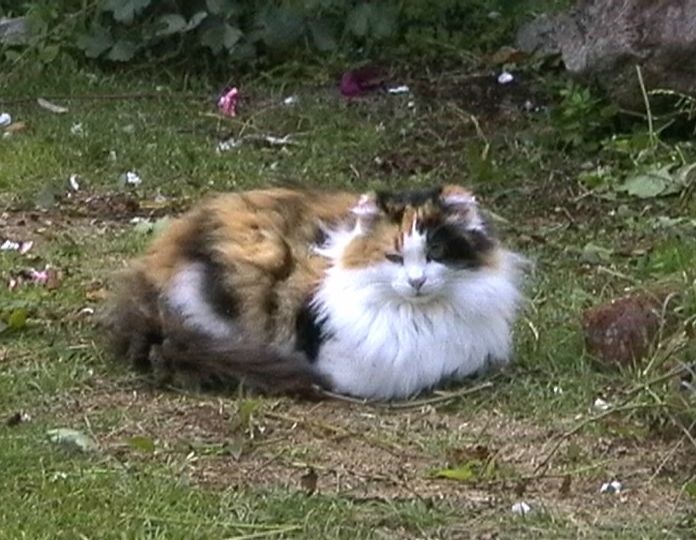
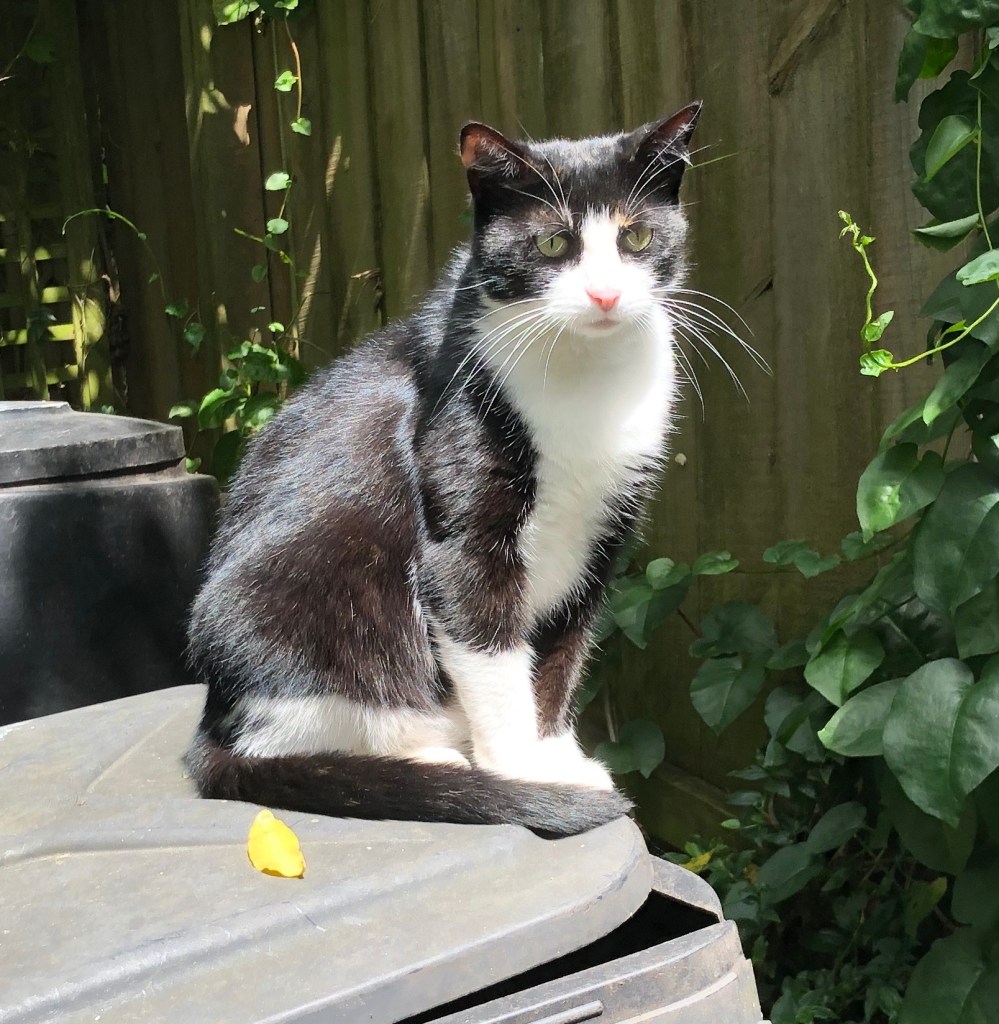
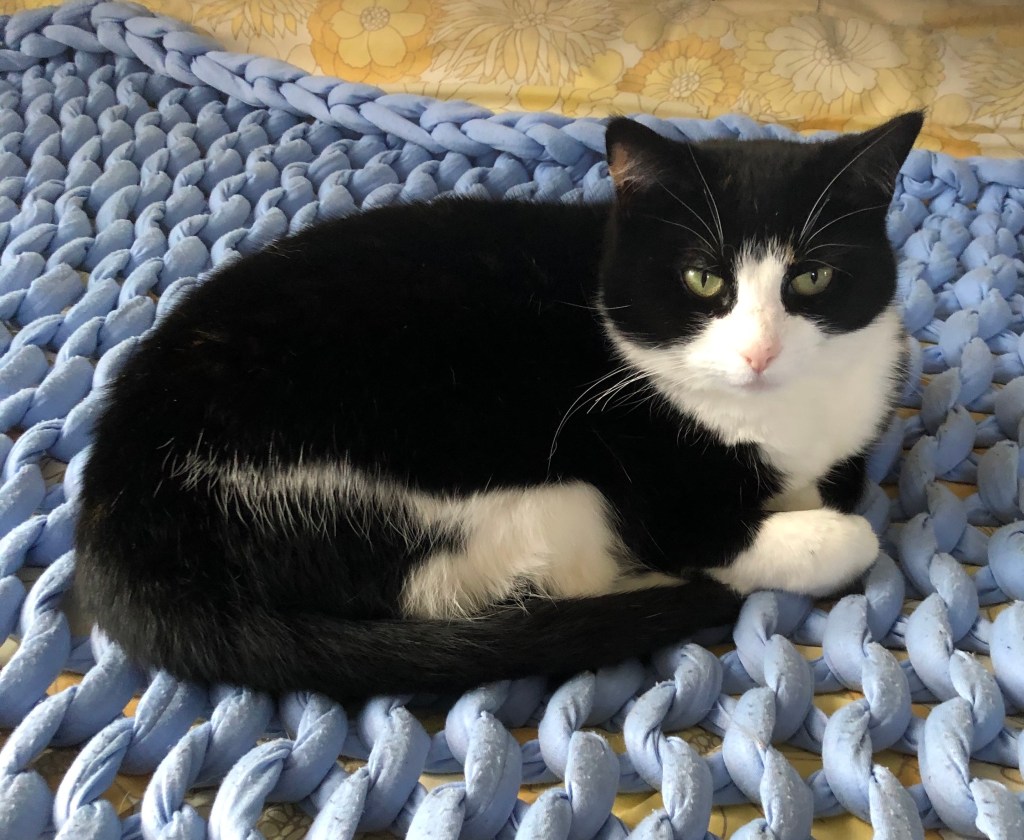
Only read on if you like cats. I usually include some photos in my posts, but couldn’t decide which to choose from among so many, so I decided just to feature the cats who have lived with us since we moved to New Zealand. Excluding all the foster kittens, there have been seven long term residents, two of whom – Magic and Leo – are still alive. It was quick and easy to find their photos, which made me think that the project has been worthwhile after all.

Cinderella
Floella (daughter of Cinderella)
Felix
Daisy
Homer
Magic
Leo

Preventing migraines – beyond medication

Feverfew, Tanacetum Parthenium

This is not an “anti-drug” post – I fully accept that prescribed medication is the mainstay of migraine prevention. Certain beta-blockers, antidepressants and anticonvulsants are long established for reducing the frequency and severity of attacks, and the newer CGRP inhibitors have even better results. But none of these drugs work for everyone, and all of them can have unwanted side effects. I took propranolol for many years with some benefit, but then its effect seemed to wear off. I then decided to look more closely at what lifestyle factors triggered my attacks, and to explore some complementary therapies that seemed more “natural” and gave me more choice and control over managing my health. Many of the non-drug options for migraine prevention are supported by evidence from clinical trials as well as by anecdotal reports, but the orthodox medical approach tends to focus on drug treatments alone. My new book Migraine and Me: A Doctor’s Experience of Understanding and Coping with Migraine aims to give a more holistic overview. Here is a brief summary of some of the preventive methods it describes. They do not offer a cure for migraine but, whether used alongside drugs or instead of them, they can help. Most of them are relevant to other chronic medical conditions too.  

Being instructed to eat better food, get more sleep, take more exercise, stop smoking, drink less, and reduce stress can be irritating – but these deceptively simple “healthy living” guidelines can make a real difference. There are special considerations for migraineurs such as not going too long between meals, and identifying triggers in the diet and environment.

Dietary supplements which have been found effective include magnesium, B vitamins and Coenzyme Q. The herb feverfew, illustrated, is available in capsule form but the most natural way to take it is by chewing its leaves, as described in one of the case histories in my book.

Relaxation techniques can help by activating the parasympathetic “rest and digest” branch of the nervous system, as opposed to the sympathetic “fight or flight” branch which tends to be overactive in migraineurs. Relaxation is a component of many other therapies such as biofeedback and massage.

 Psychological therapies may be regarded with suspicion because they are thought to imply that migraine is “all in the mind” rather than being a neurological disease with a genetic basis. I am certainly wary of psychoanalytical theories that cite repressed anger or sexual conflicts as being the cause. But more practical approaches such as cognitive behavioural therapy (CBT) can alleviate the mental distress and social difficulties that make it harder to cope with attacks and may well be exacerbating them.

Creative activity through art, music or writing is a way of processing emotions around migraine. If the results are made public, they can contribute to understanding of the condition. Some works by historical figures such as Richard Wagner and Vincent van Gogh are thought to have been inspired by the migraine experience.  

These and other approaches are covered in more detail in Migraine and Me: A Doctor’s Experience of Understanding and Coping with Migraine, available in both print and e-book versions from your local Amazon site and other online retailers. Please forward this post to anyone in your circle who may be interested.

When is it time to stop?

Watching Joe Biden’s determination to cling on to power despite his obvious physical and mental decline has made me think again about a question that keeps arising as I get older: Is it better to stop doing things while the going is good, or to carry on till it is clear you are not coping?

I am a few years younger than Biden. I feel fit and well, in fact better than before since my sleep pattern has improved and I have grown out of the migraines that plagued my earlier life. And yet, looking back over the last few years I realise what a lot of my former activities I have given up. This has sometimes been because of external factors outside my control, such as family illnesses and transport difficulties and lockdown effects, but also reflects the gradual loss of energy and confidence that comes with aging.

Not all the changes are bad. My life is quieter, and more locally based. I still enjoy driving but no longer fancy long trips, which must reduce my environmental footprint. I have resigned from my previous choir over in Auckland city, but joined another which is nearer and requires less time commitment. I don’t do sessions at the animal rescue centre any more, but help to look after two dogs as well as my own two cats. I closed my Bach flower client practice some time ago, but still make up remedies for friends. Instead of the film society in the city, I go to the local cinema or watch DVDs at home. I have joined a book group, dance and TRX exercise classes in the village where I live, and made a few new friends there. I still love writing and would hate to give that up, yet I don’t write as fluently as I used to, nor do I have so many new ideas. I don’t want to be like well-known authors such as Agatha Christie and PD James, whose later novels were so inferior to their early ones. Perhaps my latest book Migraine and Me will be my last.

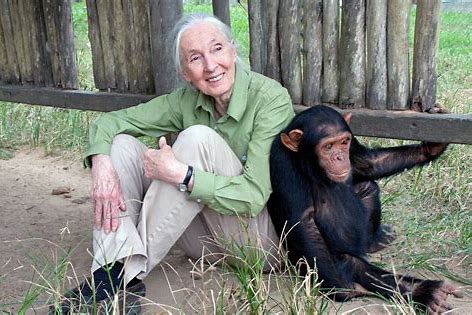
There may come a time when someone wanting to continue as an active and productive member of society becomes a nuisance, an embarrassment or worse. But this is not inevitable. Older people can have much to contribute due to their long experience of life, and it is a mistake to underestimate them on grounds of age. The English environmentalist and chimpanzee expert Jane Goodall recently undertook a lecture tour around the world at the age of 90, and I’m told that her presentation in Auckland was inspiring.

Jane Goodall with a chimpanzee

Last Night of the Proms – New Zealand style

Along with a big crowd of other British expats wearing red white and blue, I attended a joyful and nostalgic version of the Last Night of the Proms performed with orchestra and choir in the Bruce Mason theatre on Auckland’s North Shore.

The programme began with God Save the King and finished with Rule Britannia, Land of Hope and Glory and Jerusalem, with many other traditional items in between. New Zealand content included the national anthem, a Maori song called A Te Tarakihi, and a film of the Spitfire flying at the Warbirds air show. The soprano soloist wore a series of splendid gowns, one resembling a giant Union Jack. I used to think I hated bagpipes, but the wonderful performance of Highland Cathedral by a pipe band was a highlight of the show.

Towards the end, the hall filled with balloons and streamers as the wildly enthusiastic audience sang along and waved our flags. We all had a good time, and perhaps some of us were left wondering whether the UK or NZ feels more like home.

Migraine and Me – the ebook

I’m pleased to announce that Migraine and Me: A doctor’s experience of understanding and coping with migraine is now available as an ebook from Amazon Kindle and various other online retailers as listed on this link, with a print version planned to follow soon.

My migraines began in my teenage years and continued until later life. In this short book I’ve combined personal stories from myself and other contributors with information from published research. Writing both as a (retired) doctor and as a (recovered) migraine patient, I’ve aimed to balance the medical aspects with the psychological, social and even spiritual ones. The book describes how lifestyle measures and complementary therapies, as well as prescribed drugs, can help to prevent attacks. It covers some sensitive topics such as the concept of a ‘migraine personality’ and the reasons for stigma, and ends on a positive note with sections about creativity and ‘silver linings’.

To quote from the blurb: “Migraine and Me offers empathy, practical insights, and hope for anyone affected by this complex neurological condition, once described in a drug advertisement as hell on earth.”

If there is anyone in your circle who is affected by migraine and might be interested, please share this post with them. Here again is the link to the book.
 

eBooks old and new

My new ebook Migraine and Me is nearly finished but I’ve left the final draft aside for a while, so I can check it through with fresh eyes before publication.

Meanwhile I’ve been continuing my project of “Going wide with D2D”. The aims are to bring some of my earlier books to a wider readership, and to update my basic skills in formatting text and using self-publishing technology. So Wellbeing for Writers and Beautiful Vibrations are now available not only from Amazon Kindle (kdp) as before, but also from many other ebook retailers as shown on this link http://books2read.com/jenniferbarraclough.

“A short practical guide about how to enjoy the journey to becoming a (self)published author, and how to cope with challenges such as lack of time for writing, lack of inspiration, negative criticism, and aversion to marketing. Jennifer’s experience as an author of both fiction and non-fiction books, combined with many years of working with clients in various therapeutic settings, has given her a wide personal understanding of the psychology of writing. This little book includes many practical tips for making the process run smoothly, and enhancing mental and physical wellbeing.”

“Anxiety, sadness, anger and loss of hope are common responses to serious or chronic illness. Symptoms of the condition itself, side-effects of treatment, concerns about diagnosis and prognosis, restriction of activity, and changes in relationships take their toll on both body and mind. Ideally, negative feelings will soon be replaced by a more positive adjustment, but sometimes they are severe or prolonged. Bach flowers are not a cure for physical disease but help to relieve the emotional distress often associated with it. Dr Edward Bach described them as having ‘beautiful vibrations’ capable of promoting positive mental states such as hope, courage and calm. This practical guide, illustrated by case histories and flower photos, explains how to select and use the remedies as part of a holistic approach to healing. Despite all its unpleasant aspects, the experience of illness can have a silver lining and the flower remedies help to bring this out.”