Recurring themes in fiction

Many fiction writers include similar characters, settings, plot lines and underlying themes in different books even if they are not part of a series. This may be deliberate, if they have already found a successful formula and want to give readers more of the same. At other times it happens less consciously, and reflects personal experience or psychology.

In my last post I wrote about entering my eligible novels, through Draft2Digital, into Apple’s trial of digitally narrated audiobooks. Cardamine was first to be published in this format, and Carmen’s Roses is now available too. These two books were originally written several years apart, and until I listened to the previews of their first chapters I hadn’t quite realised that they both begin with an Englishwoman taking a holiday in New Zealand. Not surprising really, because such holidays were a significant part of my own life before I moved permanently to Auckland. Cardamine and Carmen’s Roses are quite dissimilar otherwise although their plots both involve a missing woman. This is the case in some of my other writing too although I don’t know why. I also realise that several of my novels feature unpleasant male doctors. These characters are not based on any one real individual, but are informed by various interactions I have had during my own medical career and as a patient myself. 

Cardamine, Carmen’s Roses and some of my other books can be found at https://books2read.com/jenniferbarraclough.    

The audiobook of Cardamine

I’m pleased to announce that my novel Cardamine: a New Zealand mystery is now available from Apple’s Audiobook Store.

Producing an audiobook in the traditional way, with the text read by live actors, is so expensive and time-consuming that I have never considered doing it. But I was recently invited through Draft2Digital to submit some of my fiction books for inclusion in Apple’s trial of using digital voices. It was free for me to take part, so I decided to accept.

Cardamine is set in New Zealand in the summer of 2019. Kate, on the last day of her backpacking holiday, loses her bag in a vineyard and misses her flight home to England. An eccentric elderly man comes to her rescue and invites her to stay on as his paid companion in his country home. The man’s wife is away, said to be back in her home country, but Kate comes to suspect that her absence has a more sinister explanation… 

My digital voice, called Amberley, has a British accent appropriate for the character of Kate. She’s not very good at pronouncing Māori place names, but otherwise I think she does a good job of telling the story. I am interested to see that Apple has set the price at twice that of the e-book, even though it was presumably very cheap to produce, and it will be interesting to see if anyone buys it.  

This book and some of my others others can be found at https://books2read.com/jenniferbarraclough

A day without wine …

Some years ago, a local Italian restaurant displayed a placard reading “A day without wine is a day without sunshine”. That message would probably attract disappproval nowadays, when there are so many warnings about alcohol-related damage to health. While the risks and benefits of drinking continue to be disputed I continue to have a glass of wine with dinner on most evenings, though I intend to give it up for Lent.

Image from Unsplash

In 2022 the World Health Organisation (WHO) published a statement in The Lancet to the effect that no level of alcohol consumption is safe, primarily because even small amounts can promote cancer growth. However many published studies have reported that light to moderate drinkers have lower mortality than teetotallers, and a reduced incidence of cardiovascular disease, diabetes and dementia. The research methods have sometimes been criticised and the evidence is conflicting. Perhaps it is too difficult to generalise because the effects of drinking vary so much between populations, and between individuals, depending on genetic makeup and lifestyle factors.

Heavy drinking is obviously harmful and people who are pregnant, have a history of alcoholism or of certain medical conditions are advised not to drink at all. But for those of us with no contraindications, any risks of light-to-moderate intake (up to 14 units a week) must be weighed against the benefits of pleasure, relaxation and sociability as well as possible cardiovascular protection. And the Mediterranean diet, widely recommended as a healthy eating pattern associated with longevity, includes red wine with meals.

After Easter I will go back to drinking wine, though not too much of it. As I get older I agree with the saying that one glass is medicine but two are poison. 

***

On a different topic – nine of my ebooks are currently FREE in this year’s Smashwords sale. They are listed on the site https://books2read.com/jenniferbarraclough. Please note the promotion will end on March 8th, and only applies to the Smashwords versions – from other retailers they are still full price.

Feline heartaches

I couldn’t stop crying when the time came to take our latest foster kitten, Nico, back to the rescue centre. We have fostered many kittens before and I have never been seriously upset about saying goodbye to them. Indeed it has been rewarding to see them grow in health and confidence while in our care, and be passed as ready for adoption. But Nico was somehow different.

He came to us at four months old, an unremarkable-looking tabby kitten, very thin because he had been suffering from bowel infections and presumably been malnourished in earlier life. He thrived while he was here, and quickly made himself at home, being let out of the foster room during the day if I was there to supervise him. He was energetic, playful and affectionate and he won our hearts.

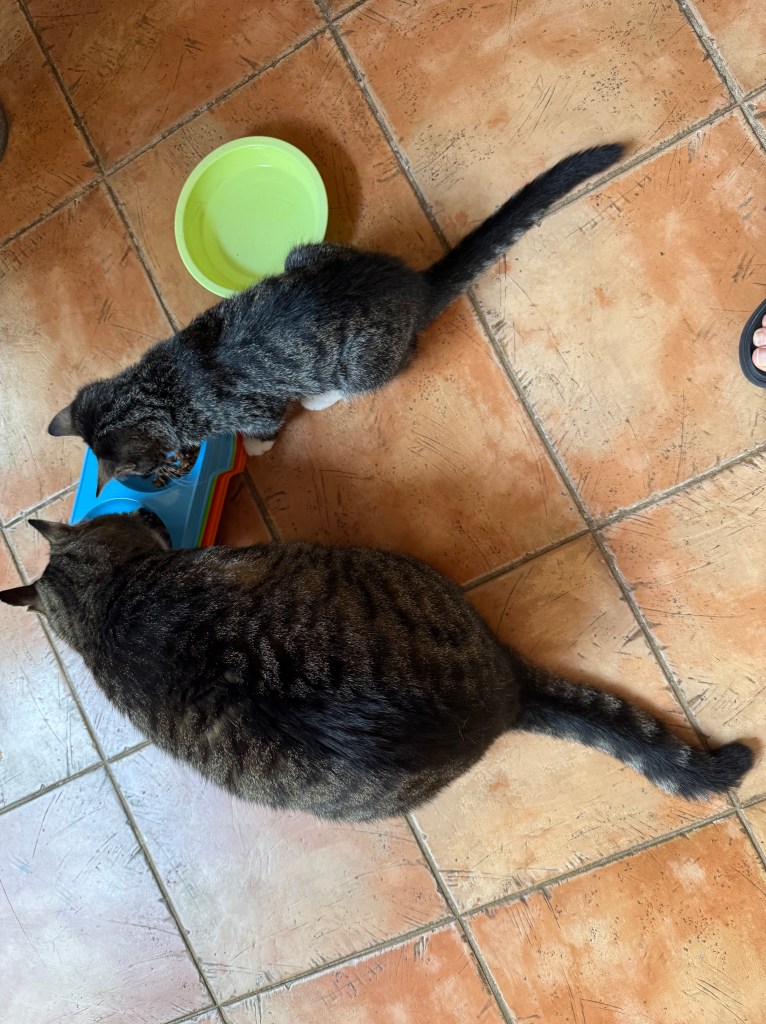
We have two cats of our own, both 10 years old now. Leo, the male tabby, made friends with Nico right away. He enjoyed grooming him, and the two of them ate side by side.

Leo and Nico

But Magic, our black and white female, reacted quite differently. She always knows when there are kittens here even when they are shut away in the foster room, and leaves the house for long periods, refusing to eat unless her meals are served outside. It has been worse this year and she has been completely absent from the property at times.

My husband Brian doesn’t usually get involved with the foster kittens, but he took to Nico so strongly that he suggested adopting him. We had long discussions about this. I wanted it too, because I had become so fond of Nico.But logically I knew it would be a mistake. I think we are too old to take on a young kitten who is likely to outlive us. Looking after three cats is a big commitment and expense. And a major barrier would be Magic’s mental health. Even now that Nico has been gone for several days, and I have given the foster room a thorough clean, she is reluctant to come into the house again. Al least she was back in our garden today, but didn’t take kindly to having her photo taken. “No good deed goes unpunished”, and by caring for foster kittens I have caused much heartache for Magic.

Magic

Fostering is a lot of work and after doing it for a month, first for the two timid kittens and then for Nico, I am glad to have a rest and be free for other things. But I still miss Nico very much and do hope that he, along with all the many other cats and kittens currently in the shelter, will find the right forever home.  

Update 5 days later: Nico has been adopted, and Magic has returned home.

Kitten season

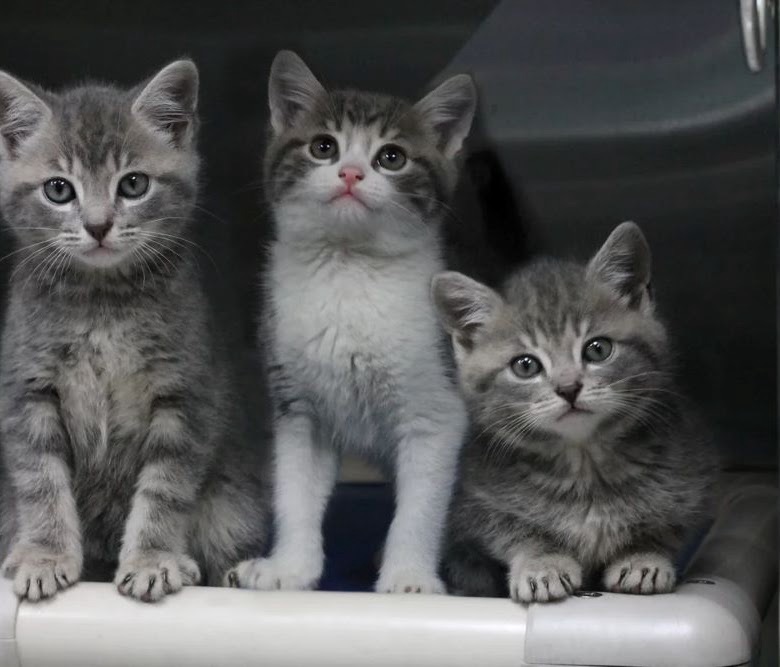
Photo courtesy of SPCA Auckland

Every year during January, I volunteer to foster kittens from the SPCA. I clear the best furniture out of the dining room, which for the next few weeks becomes known as the foster room, filled with feeding bowls, litter trays, climbing frame and cat toys.

Kittens may require fostering for a variety of reasons. Some are healthy but still too young to be desexed and vaccinated prior to being adopted into forever homes. Some are recovering from an injury, or from illnesses such as cat flu and giardia. Others are frightened of human contact because they have been neglected or abused, and need a period of socialisation. And this year there are so many cats and kittens being brought in that the rescue centre is full to capacity, meaning that some animals need accommodating in private homes.

My current charges, a brother and sister about nine weeks old, were on anti-anxiety medication when they arrived. They were extremely timid, hiding in inaccessible places for much of the time, and it was very difficult to touch them. What a contrast to my previous kittens who have been desperate to escape from the foster room and explore. They did however seem physically healthy, eating and drinking well and have grown fast. Their confidence has gradually improved and now, two weeks later, they are lively and playful and purr loudly when stroked. I’m not allowed to post photos of them online, but they do look very attractive, with their white and tabby coats. It has been lovely to watch their transformation from frightened little kittens into thriving young cats.

Fostering requires quite a lot of time and effort. The least pleasant aspects are having to keep changing litter trays throughout the day, and the potential for damage such as torn curtains. It is also a bit hard on one of my own cats, who clearly dislikes having kittens in the house even though they are in a separate room. My other cat is quite happy to have them here.

These two kittens will be returning to the SPCA in a few days and will hopefully be adopted soon. I will miss them, but am going to exchange them for another litter which will bring new challenges and rewards.

Cold showers, cemeteries and nomophobia

I’ve been exploring Modern Stoicism for a while now. Reading about the theory is easier than putting the ideas into practice, so this January I decided to subscribe to the New Year Challenge course run by dailystoic.com. It involves a series of assignments sent by email every day for 21 days. Most of them are not just one-off tasks, but are designed to introduce new habits to be continued long term. Some are practical, for example taking cold showers, doing pressups, and keeping to a regular bedtime. Others are more psychological, for example visiting a cemetery to aid the practice of memento mori, resuming a project that has been abandoned, and choosing a word to focus on all year – my word is PATIENCE.

Now half way through the course, I find some of the assignments easy because I am doing them already. But the challenge that I haven’t even tried to attempt is spending 24 hours without my iPhone. I do have some excuse, because I genuinely need it to deal with important messages throughout the day. But I have to admit to being quite addicted, and was absolutely devastated on the recent occasion when I thought it was lost (I found it some hours later under the duvet). I plan to compromise by spending a day without online games or social media, and even that will demand great self discipline. I obviously have symptoms of the condition popularly called “nomophobia” – fear of having no mobile.

2024

The year 2024 has brought mixed fortunes for me and husband Brian, with both pleasures and challenges. I’ve written this summary mainly for myself, but if you are interested please read on. Most of the topics mentioned have been covered in more detail in previous posts on this blog.

The first few months of 2024 were dominated by Brian’s medical issues. His artificial heart valve, inserted nine years ago, was failing and after a series of invasive tests he underwent a TAVI (trans aortic valve insertion) with a device similar to that pictured below.. The operation itself went well but was followed by two episodes of haemorrhage from the bowel, requiring emergency hospitalisations and multiple blood transfusions. Thankfully he has now recovered and, at the age of 91, is well and active. Modern cardiac surgery can achieve wonderful results.

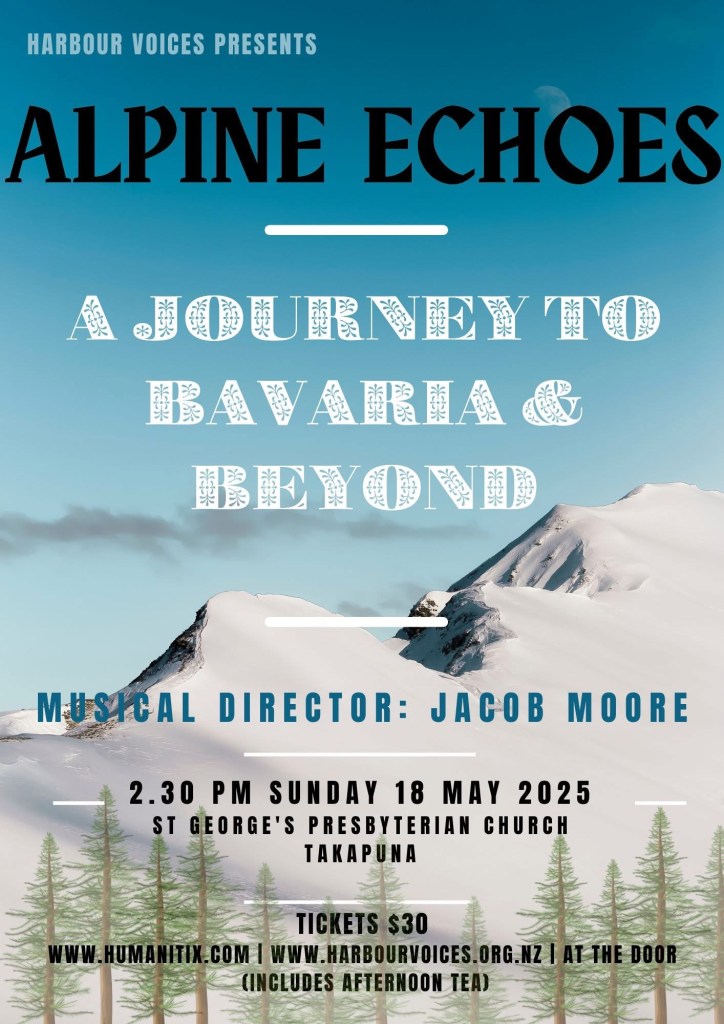
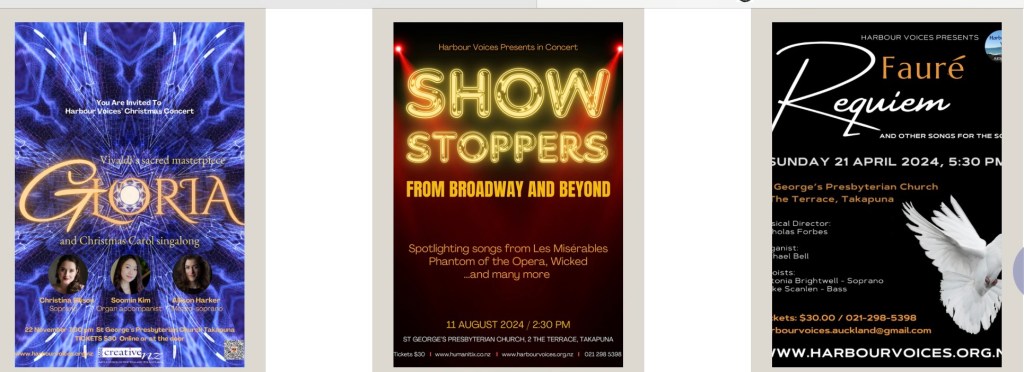
After twenty-odd years as a member of the choir of St Patrick’s Cathedral, at Easter I made the difficult decision to resign. I loved singing in this setting, but the combination of Brian’s medical problems and the unreliability of the ferry service to central Auckland was preventing regular attendance. Also, since a few other long serving members had left, I realised I was 50 years older than almost everyone else! I have now joined a larger choir, Harbour Voices, which is nearer my home – and more appropriate to my age. Our three concerts this year have spanned a variety of musical styles and I’ve enjoyed singing in them.

As for my writing, my latest novel is slow going, but I’ve published some short reviews on the “Shepherd” site and one new book, Migraine and Me.

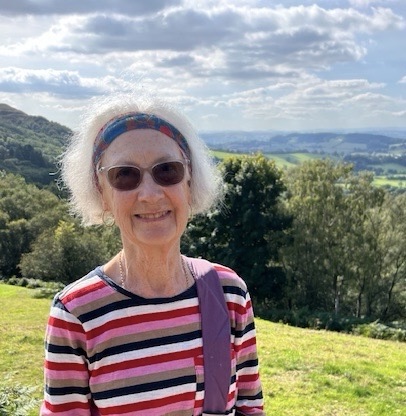
In September I spent two weeks in England, based in London and travelling round the country by train to see friends and family and favourite places. The photo below was taken on the Malvern Hills.

Since returning home there has been sadness with the deaths of three long-standing friends and colleagues, and stress with tenancy issues currently before the court. But on the whole life continues in a pleasant quiet routine, recently enlivened by the visit of Brian’s son, daughter and granddaughter from England. I keep reasonably fit with weekly TRX and Zumba classes, swimming in the warmer months, and daily walks with friends or one of my two “dog shares”, Ireland the Labrador and Buddy the Cavoodle.

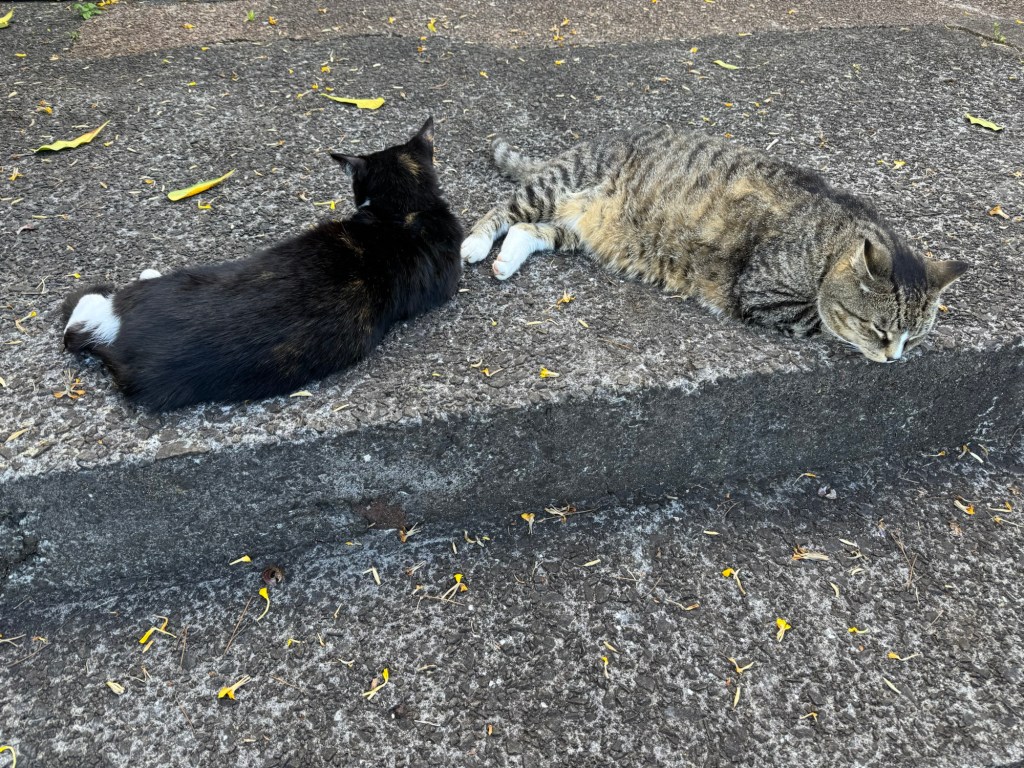
Our two cats, Magic and Leo, are now ten years old and still in good health. Now that the New Zealand summer has arrived they spend a lot of time resting in the sun.

Happy Christmas and New Year, and thank you for reading my blog.

Holiday reading recommendations

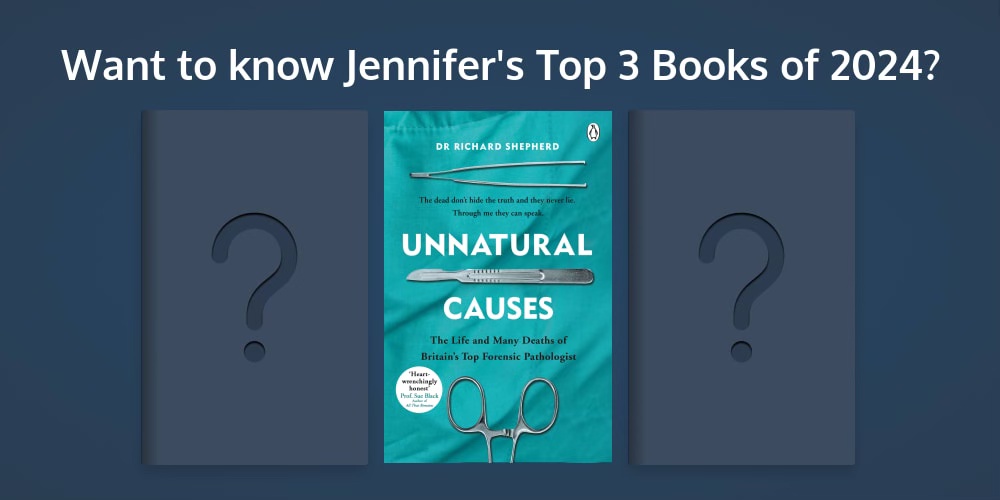
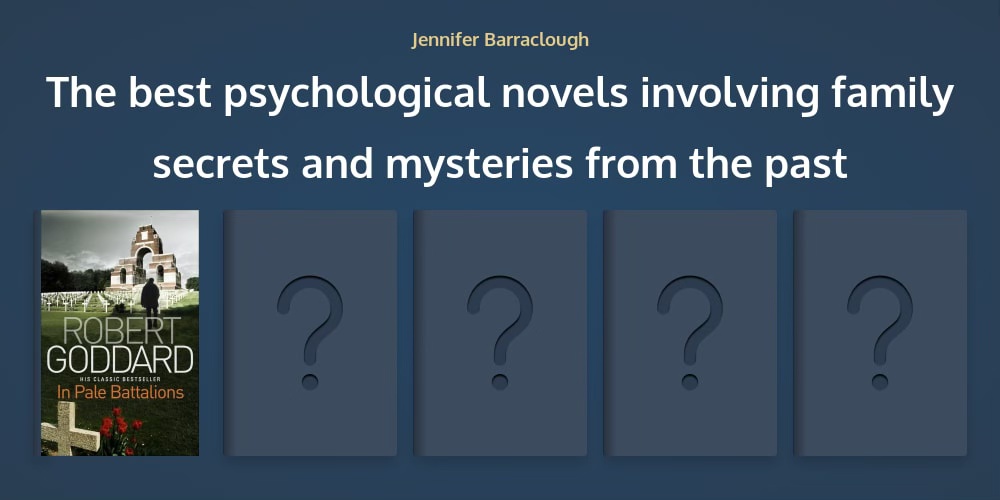
During this year I’ve read or reread a variety of books, and written brief reviews of some favourite ones for shepherd.com. If you’re wanting ideas either for your own reading over the holidays or for Christmas gifts, you might like to look at the lists below. Click on the images to see my personal appraisals of these books, with links to their details on your local Amazon site.

For my “Three favourite reads of 2024” – not necessarily published in 2024 – I chose three completely different books, one novel and two non-fiction:

My list of novels on the theme of “Family secrets and mysteries from the past” includes three modern classics which I’ve enjoyed reading again, and two contemporary psychological thrillers, linked to one of my own books:

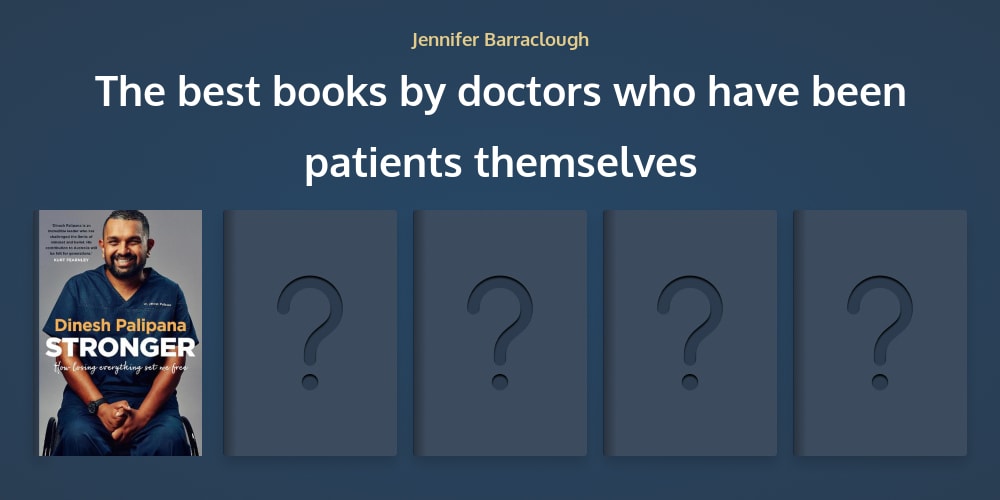
Thirdly a non-fiction list on the theme of “Doctors who have been patients themselves“, including the short book about migraine that I published this year:

Seasons greetings to all my readers, and thank you for your interest in my blog and my books.

AI for writers – wonders and dangers

An invitation to a free webinar about “AI for Authors” recently popped up in my inbox. Having little experience with AI, apart from using ChatGPT to generate an image for the cover of my last book, I watched the webinar with growing amazement. The presenter demonstrated how AI could write a story on a given topic with lightning speed, and then produce any number of edited versions with different prose styles or plot twists. He also showed how AI could generate content for a daily series of blog posts.

I am currently stuck with my new novel, which is loosely based on an episode of sexual harassment during my student days. I’ve written the first half but can’t decide how to continue the story towards a satisfactory ending. So as an experiment I asked ChatGPT for some ideas. With some apprehension, feeling rather as if I was sending in an essay likely to be criticised, I submitted a 500 word summary of the existing text.

The response came back at once. Following an introductory comment about “psychological conflict and unresolved trauma” it listed five possible directions in which the novel could develop. They were all appropriate, taking account of the story so far and the motivations of the four main characters. A human editor would have taken quite some time to read my summary and come up with so many options. I still find it incredible that AI could give such a detailed response instantaneously.

I could ask ChatGPT to give me more ideas, or even to finish the book for me, but I don’t intend to do so. Because I write mainly for my own satisfaction and enjoyment, it would seem pointless and a bit like cheating. AI must be an invaluable tool for certain professional writers, for example journalists working to a deadline. But over-reliance on AI, especially for fiction, could stifle originality and lead to the rapid churning out of books with recycled content and wide scope for plagiarism.

The awe-inspiring power of AI was predicted in a quote attributed to the late Stephen Hawking: ‘Somebody asks a computer “Is there a God?” and the computer replies “There is now”.’

Disclaimer: AI was not used in writing the text of this post. But I did ask ChatGPT for an image and received this reply:

“Here is the symbolic illustration representing the use of AI as a tool for writers. It highlights the harmony between creativity and technology. Let me know if you’d like any adjustments!”