My first weeks of widowhood

Brian was 14 years older than me and had a history of heart disease, so we knew it was likely that he would die first. I tried to prepare myself for the event but it was impossible to predict when and how it would happen, or how I would feel afterwards. Much has been written about coping with spousal bereavement but everyone is different and there is no right way to respond to this monumental life experience.

There have been many practical and administrative matters to deal with during these first few weeks. I have had wonderful support from family, friends and former colleagues, being showered with flowers and food and invitations to meals, cards and letters expressing condolences for me and appreciation for Brian. Although my grief is profound I have not been overwhelmed by it, but have managed everything efficiently and kept in good health. Christmas preparations and festivities are underway too, so I have been very busy. I don’t know whether that is a good thing. I’m afraid that after Christmas, when all the activity and attention has wound down, the loneliness and boredom of being without Brian is really going to sink in.

Brian and I had a wonderful life together until the last few months when the nature of his illness prevented any meaningful conversation between us, and made it unsafe for him to be nursed at home where he longed to be. He had very good care in the hospital, and I did all I could to support him there, but his distress could not be relieved and he wanted to die. Thankfully his last 24 hours were peaceful.

I have a few regrets. I wish that when he was still well we had talked more about planning the future, done some decluttering and possibly downsized. And, although it is comforting to look through all my photos of Brian, I wish I had taken more videos of him.
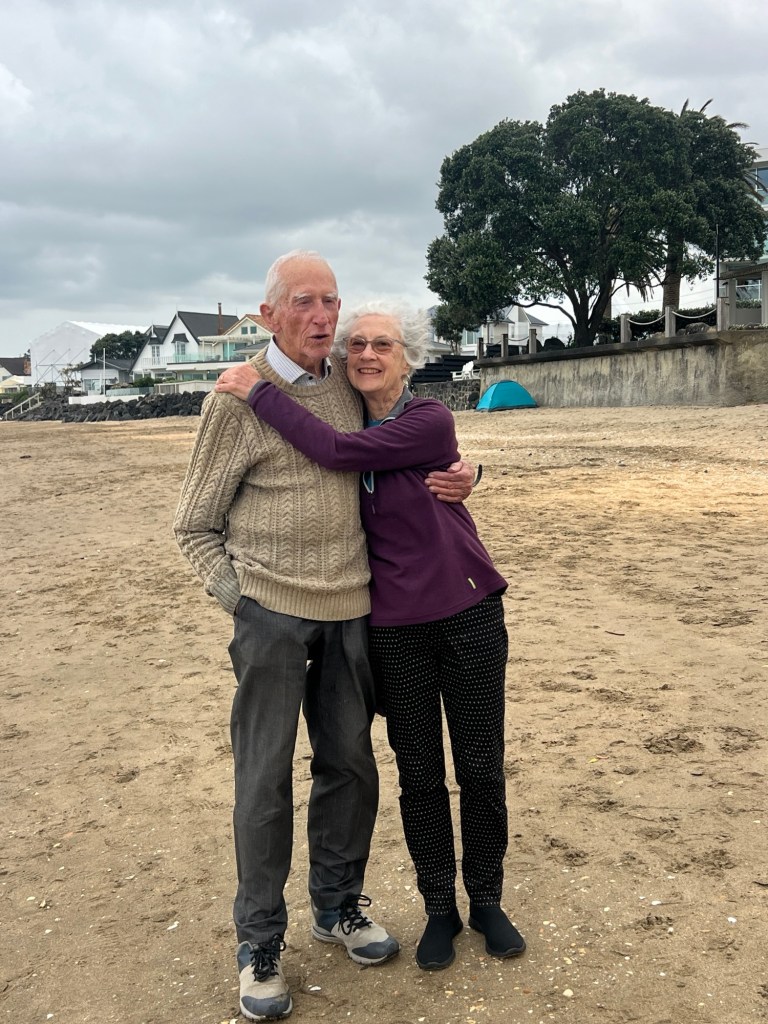
Brian Barraclough 1933-2025

My beloved husband Brian died from respiratory failure last week.

He was 92 years old and in recent months had endured a gruelling decline of both body and mind, due to cardiac and cerebrovascular disease. He was ready to leave this world and while it is a blessing that his suffering is over, his death is a great loss for me. During the 47 years we were together my role had gradually evolved through different stages – mistress, wife, nurse and now widow. Of course there were challenges, but not too many. We had a wonderful marriage.

There is much else to be thankful for. Brian had excellent care from the staff of North Shore Hospital in Auckland. I am receiving a huge amount of support, especially from Brian’s three nieces, and from friends and relatives in both New Zealand and the UK. My cats are being especially affectionate at night.

We will have a small private funeral service, then I expect there will be a difficult few months ahead, sorting out Brian’s affairs and possessions, adjusting to life without him, and doing my best to develop a happy future for myself.

Brian had not quite finished writing his extended autobiography. Due to his incredibly vivid and detailed memory, the document contains a lot of valuable information not only about his own life but about the history of psychiatry in both NZ and the UK. I aim to complete the editing process and publish it next year.

Hospital days

My husband Brian is in hospital. Over recent months he’s been developing a complex, fluctuating mix of physical and mental symptoms. He has been very ill and spent about two weeks on a medical ward before being transferred to a unit for older people, where he is improving, and benefiting from activities – both of us took part in a bowling match (!) and have taken trips to the beach.

My days have taken on a new pattern – in between spending long hours with Brian at the hospital dealing with the house and garden, the cats, my own healthcare appointments, responding to emails and texts. I’ve continued my exercise classes and choir practice, but otherwise am not doing much. There’s no time for socialising and I lack the concentration for any serious reading, writing or other constructive activity. But I am coping better than I did during the similar stressful period ten years ago when Brian had major cardiac surgery and I developed a range of stress-related problems (I described that experience on this blog and in a short book).

We hear a lot of complaints about New Zealand’s hospitals in the media, but Brian has had excellent treatment. The kindness and patience of the staff, including especially the health care assistants, has been wonderful. I hope Brian will be well enough to come back home soon, so we can pick up the threads of our previous life, and it will be important to complete and publish his new book about his long medical career.

Novels about the psychology of marriage

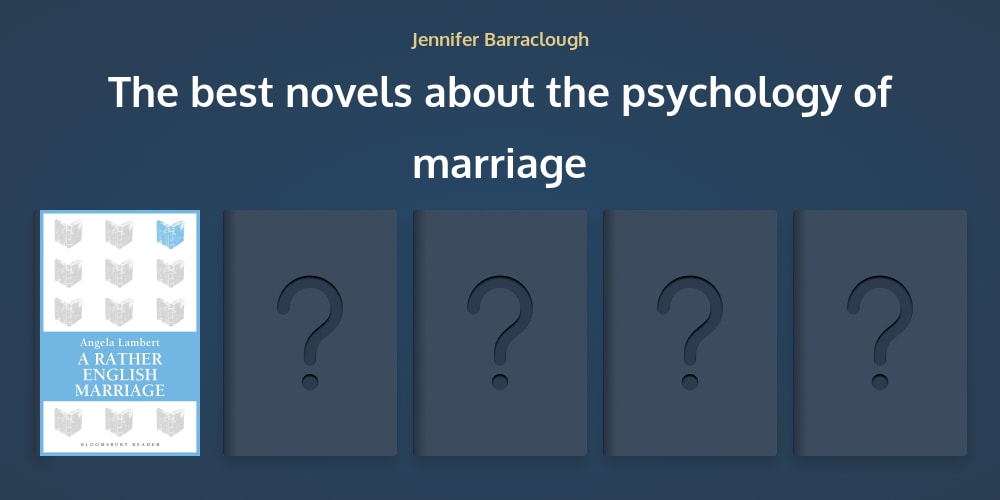
Here’s my list of “The best novels about the psychology of marriage” on Shepherd.com. It includes five books on a theme loosely related to that of my own new novel. Most of the plots involve some kind of marital conflict, or touch on the related topics of adultery, widowhood and divorce, but have (reasonably) happy endings.

This is the third list I’ve published with Shepherd. The process of compiling them encourages me to read more widely and reflectively, as well as providing a stress-free method of publicising my own books.

I dislike promoting my own work. I sometimes feel physically sick when writing emails to friends and acquaintances to tell them about my latest book. I’ve had little success with paid adverts and promotions in the past, so I don’t do them any more. When I was younger I enjoyed giving talks, even to large audiences, but not any more. All the same, with around three million books now being published each year in the US alone, indie authors like myself have to do some marketing if they are going to achieve more than a handful of sales.

So, in the hope that you’ll have a look at No Good Deed, here is a comment emailed to me by one reader:

“My goodness your new book is incredibly powerful, backed up by strong writing. I couldn’t put it down and it affected me emotionally as well … I thought the climax was stunning.”

No Good Deed is available in print and ebook versions from major online retailers through this link.

The art of the blog

My husband sometimes asks me why I write a blog. I usually reply “Because I like doing it”, which probably is the main reason but not the only one. For myself, it is a way of widening my knowledge and views about different subjects, and providing a record of significant events and aspects of my life. For readers, I hope it provides some information and entertainment. I’ve had many interesting comments, with no unpleasant ones so far, and made a few online friendships with people from around the world – a modern equivalent of “penpals”.

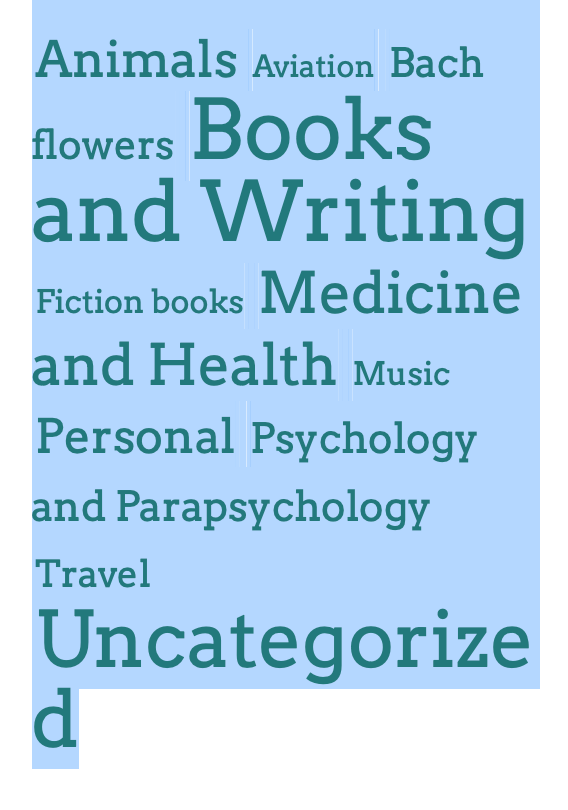
I started with Google Blogger many years ago, then changed to WordPress where I have published almost 300 posts. At one time I ran four separate blogs on specific subjects, but this system proved too cumbersome to manage so I put them together and my “category cloud” now includes a wide range:

I don’t have a huge readership but am satisfied with several hundred followers from different platforms, and a handful of visits every day always including archived posts, those about Bach flowers being most popular.

I only post when I have a new idea to write about, which is seldom more than once a month. Ideally I would like to post once a week, provided that I could come up with worthwhile content rather than cluttering up the internet with boring trivia or embarrassing personal details. Some of the people whose blogs I follow maintain a much more regular and frequent schedule, and I admire them. For example a new post from The Cricket Pages, by Rachel, arrives in my inbox at the same time every Sunday without fail. And The Mindful Migraine, by Linda, posted every single weekday for its first year and now three times a week. Both these blogs are always worth reading.

The Elgars in the Alps

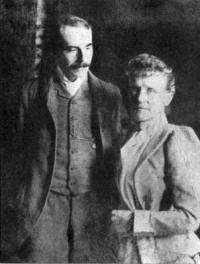
Edward and Alice Elgar 1891

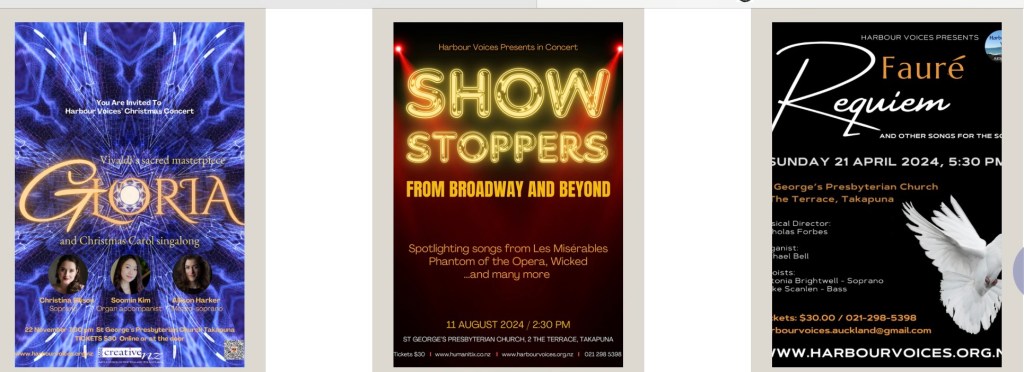
I’m now singing with the Harbour Voices choir on Auckland’s North Shore. Our next concert will include some songs from one of Edward Elgar’s lesser-known works, From the Bavarian Highlands (Op 27). 

I’ve always loved Elgar’s music. In the long-ago days when I was a young single woman with an old-fashioned record player for company in the evenings, I repeatedly listened to the Cello Concerto, Enigma Variations, and the Pomp and Circumstance March No 1 better known as Land of Hope and Glory.

My interest in Elgar grew when I started visiting Malvern many years later. He was born in 1857 into a musical family living in the nearby village of Lower Broadheath. Their modest house is now a small National Trust museum called The Firs.

Elgar’s birthplace

Elgar loved walking on the Malvern Hills, as I do, and perhaps it was the proximity of Alpine walks that led him and his wife Alice to spend a holiday in Garmisch, Upper Bavaria in 1894. 


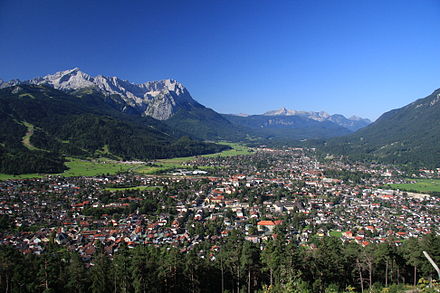
Garmisch

Inspired by the lilting melodies of the folk songs and dances from the surrounding mountainous regions, the Elgars composed From the Bavarian Highlands between them. Edward wrote the music, in the form of songs for SATB voices with a piano accompaniment, and Alice wrote the lyrics. The Dance, with its tuneful joyful rhythms, is followed by the wistful False Love, the soothing Lullaby, and the gently spiritual Aspiration.

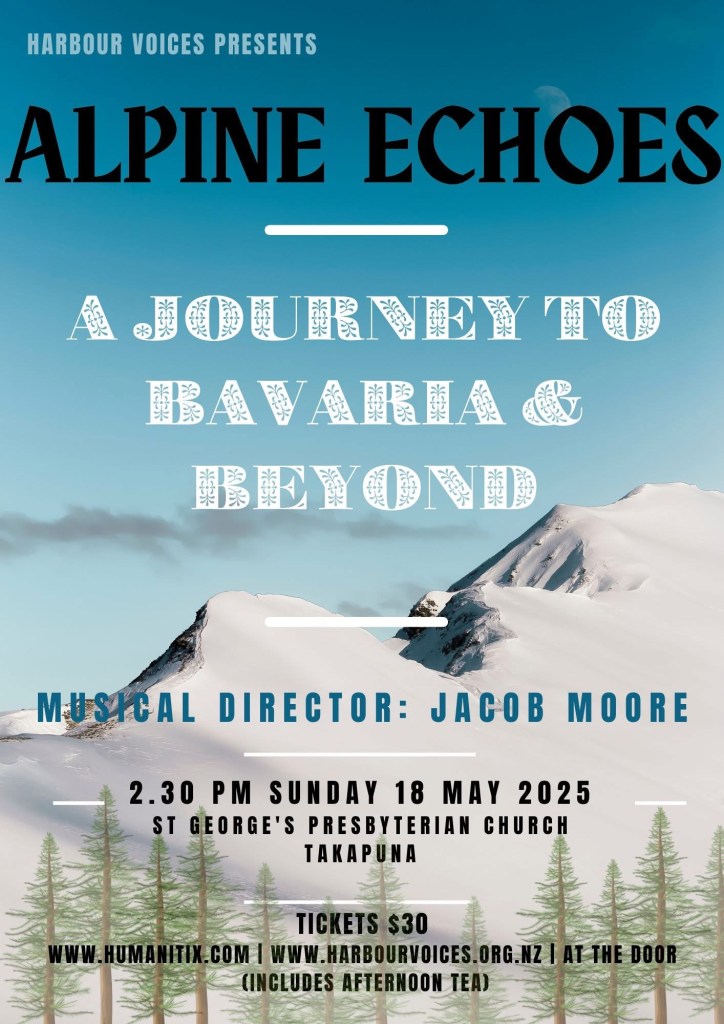
For any local readers of my blog who would like to attend the concert, here is the poster with the details. 

Cold showers, cemeteries and nomophobia

I’ve been exploring Modern Stoicism for a while now. Reading about the theory is easier than putting the ideas into practice, so this January I decided to subscribe to the New Year Challenge course run by dailystoic.com. It involves a series of assignments sent by email every day for 21 days. Most of them are not just one-off tasks, but are designed to introduce new habits to be continued long term. Some are practical, for example taking cold showers, doing pressups, and keeping to a regular bedtime. Others are more psychological, for example visiting a cemetery to aid the practice of memento mori, resuming a project that has been abandoned, and choosing a word to focus on all year – my word is PATIENCE.

Now half way through the course, I find some of the assignments easy because I am doing them already. But the challenge that I haven’t even tried to attempt is spending 24 hours without my iPhone. I do have some excuse, because I genuinely need it to deal with important messages throughout the day. But I have to admit to being quite addicted, and was absolutely devastated on the recent occasion when I thought it was lost (I found it some hours later under the duvet). I plan to compromise by spending a day without online games or social media, and even that will demand great self discipline. I obviously have symptoms of the condition popularly called “nomophobia” – fear of having no mobile.

2024

The year 2024 has brought mixed fortunes for me and husband Brian, with both pleasures and challenges. I’ve written this summary mainly for myself, but if you are interested please read on. Most of the topics mentioned have been covered in more detail in previous posts on this blog.

The first few months of 2024 were dominated by Brian’s medical issues. His artificial heart valve, inserted nine years ago, was failing and after a series of invasive tests he underwent a TAVI (trans aortic valve insertion) with a device similar to that pictured below.. The operation itself went well but was followed by two episodes of haemorrhage from the bowel, requiring emergency hospitalisations and multiple blood transfusions. Thankfully he has now recovered and, at the age of 91, is well and active. Modern cardiac surgery can achieve wonderful results.

After twenty-odd years as a member of the choir of St Patrick’s Cathedral, at Easter I made the difficult decision to resign. I loved singing in this setting, but the combination of Brian’s medical problems and the unreliability of the ferry service to central Auckland was preventing regular attendance. Also, since a few other long serving members had left, I realised I was 50 years older than almost everyone else! I have now joined a larger choir, Harbour Voices, which is nearer my home – and more appropriate to my age. Our three concerts this year have spanned a variety of musical styles and I’ve enjoyed singing in them.

As for my writing, my latest novel is slow going, but I’ve published some short reviews on the “Shepherd” site and one new book, Migraine and Me.

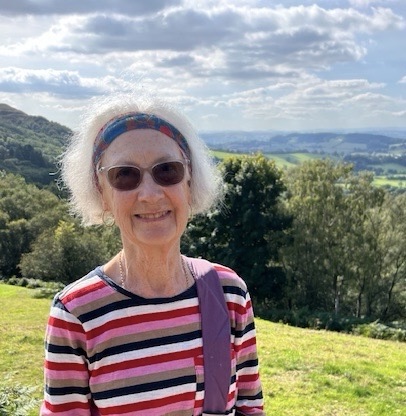
In September I spent two weeks in England, based in London and travelling round the country by train to see friends and family and favourite places. The photo below was taken on the Malvern Hills.

Since returning home there has been sadness with the deaths of three long-standing friends and colleagues, and stress with tenancy issues currently before the court. But on the whole life continues in a pleasant quiet routine, recently enlivened by the visit of Brian’s son, daughter and granddaughter from England. I keep reasonably fit with weekly TRX and Zumba classes, swimming in the warmer months, and daily walks with friends or one of my two “dog shares”, Ireland the Labrador and Buddy the Cavoodle.

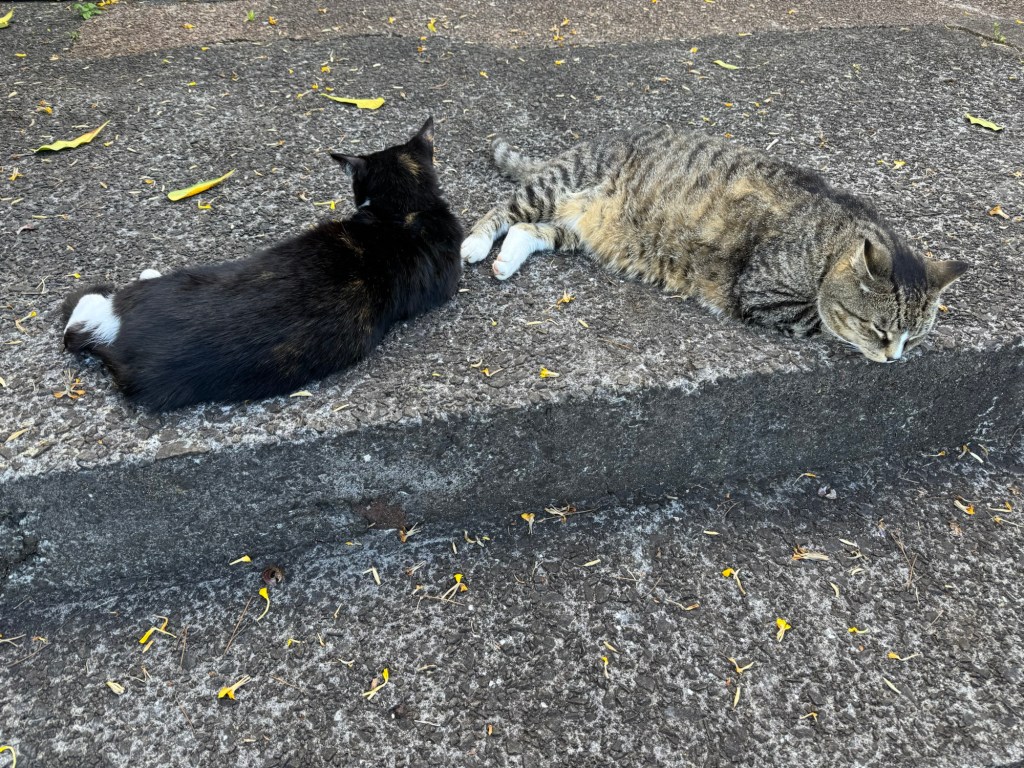
Our two cats, Magic and Leo, are now ten years old and still in good health. Now that the New Zealand summer has arrived they spend a lot of time resting in the sun.

Happy Christmas and New Year, and thank you for reading my blog.

Too many photos

Since buying my first iPhone I have taken thousands of photos, which have been stored rather haphazardly in various locations on my computer, some identified only by their numbers. I recently resolved to declutter and reorganise my digital files, prior to updating my devices. Labelling all the photos and allocating them to folders has proved a massive task, made harder because of my somewhat obsessional nature. How to classify them? Some belong in more than one category – animals, husband, family, friends, holidays, me with different hairstyles. Which to keep? I don’t like deleting any, apart from a few duplicates and photos of people I no longer recognise.

The project – still not quite finished – has sometimes felt overwhelming. For a while I was rushing to get it done, and wishing I hadn’t started it at all. But it seemed too late to give up, so I resolved to take a more thoughtful approach and appreciate all the images for the happy or sad memories they evoked.

Doing this has been a poignant reminder of the transience of life. Many of the people and animals in the photos have now died. The appearance of myself and my husband has changed over the years, and not for the better. I may never want to look back at these files again myself, and I have no close family so nobody else will want to keep them after my death. Anyway, they might all have been wiped out by some technical disaster by then. I was reminded of the Tibetan Buddhist monks who create beautiful mandalas made of coloured sands, and then deliberately destroy them.

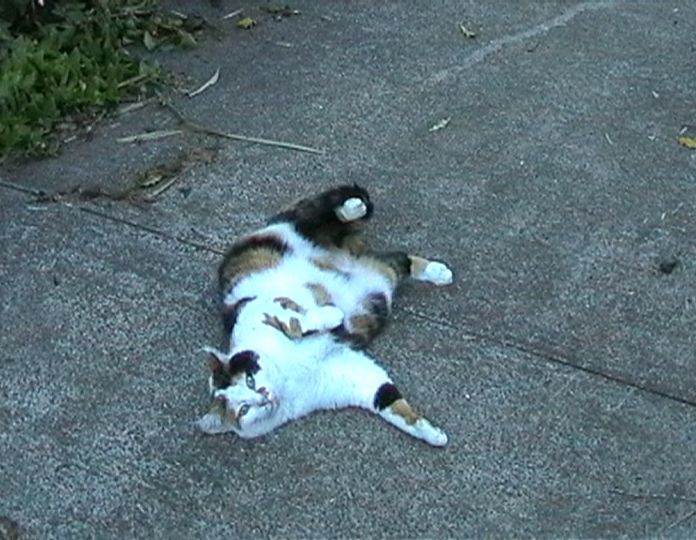
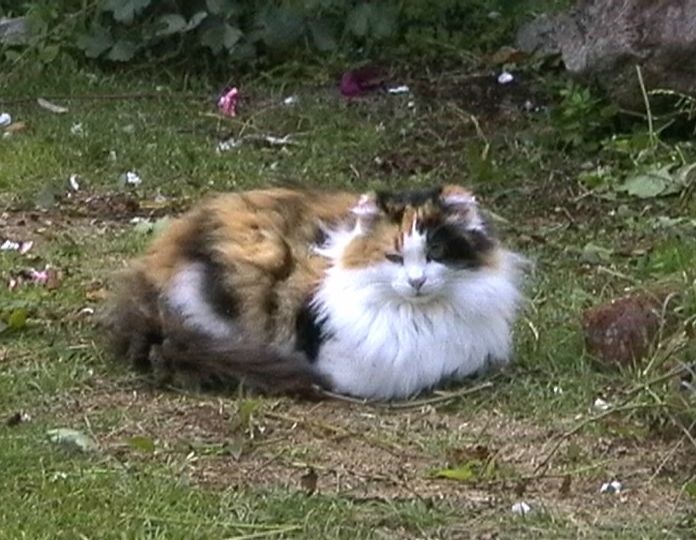
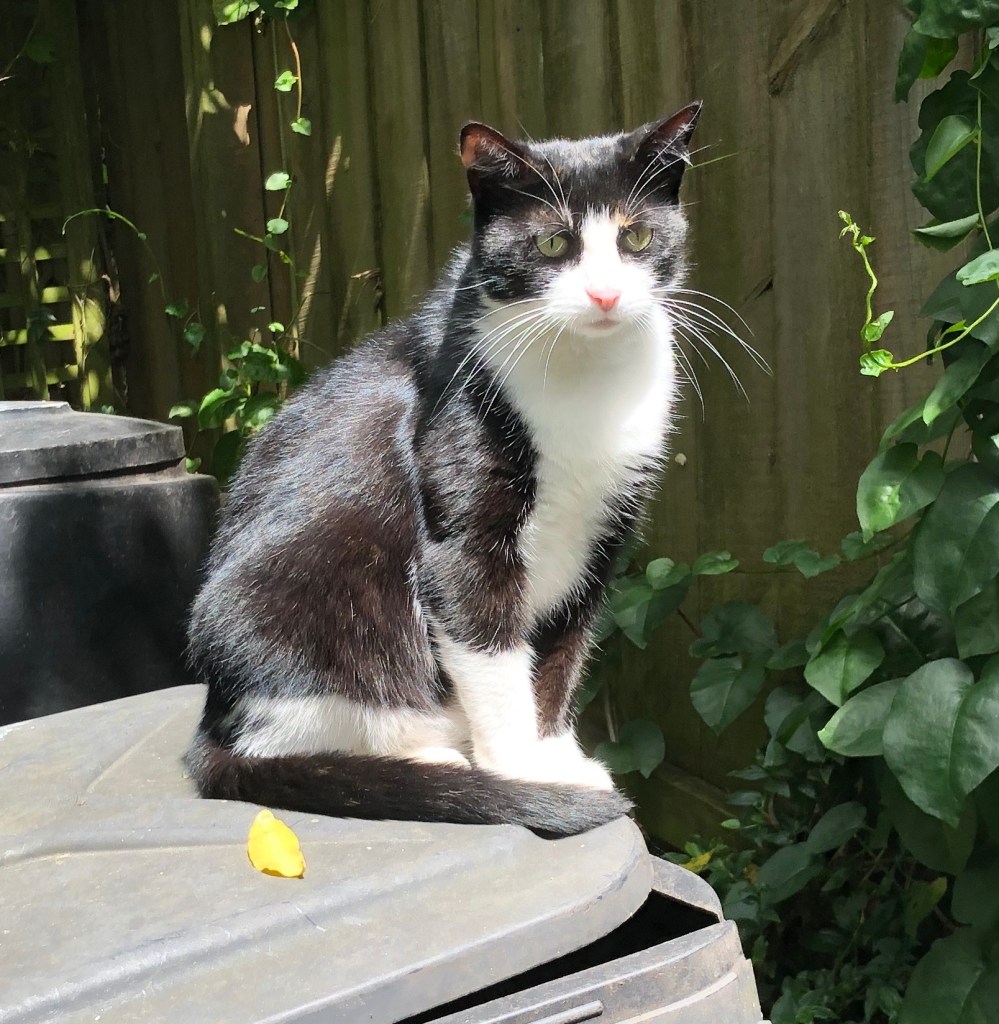
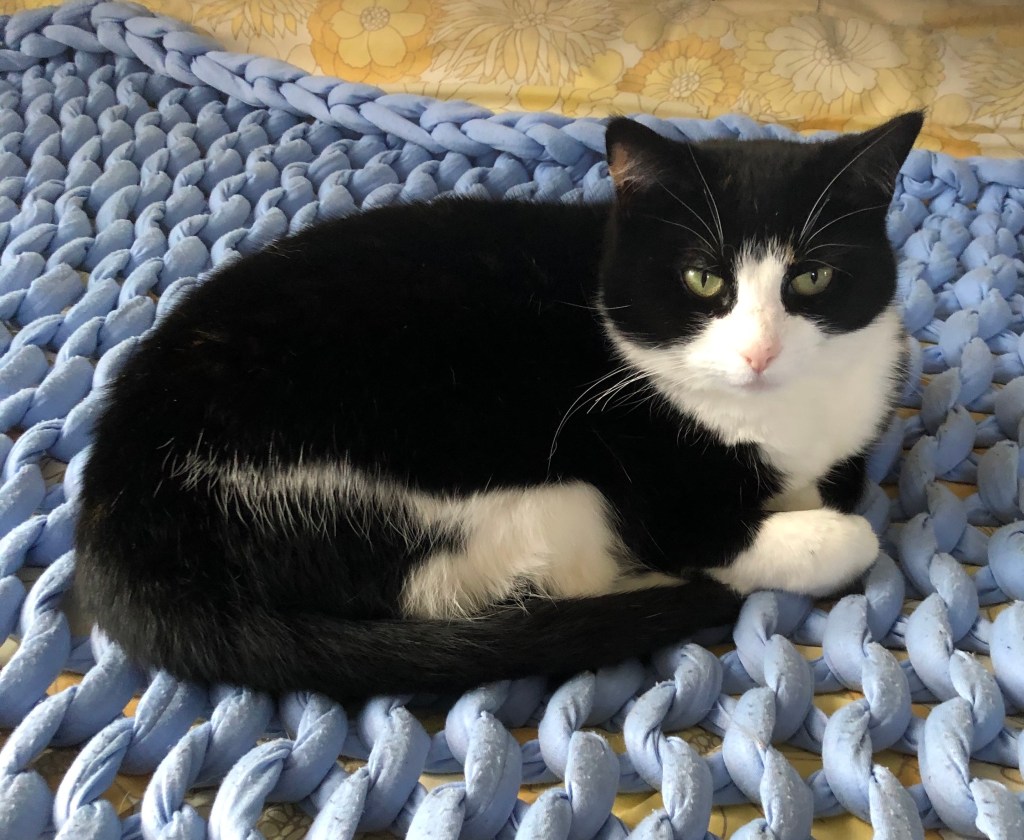
Only read on if you like cats. I usually include some photos in my posts, but couldn’t decide which to choose from among so many, so I decided just to feature the cats who have lived with us since we moved to New Zealand. Excluding all the foster kittens, there have been seven long term residents, two of whom – Magic and Leo – are still alive. It was quick and easy to find their photos, which made me think that the project has been worthwhile after all.

Cinderella
Floella (daughter of Cinderella)
Felix
Daisy
Homer
Magic
Leo

When is it time to stop?

Watching Joe Biden’s determination to cling on to power despite his obvious physical and mental decline has made me think again about a question that keeps arising as I get older: Is it better to stop doing things while the going is good, or to carry on till it is clear you are not coping?

I am a few years younger than Biden. I feel fit and well, in fact better than before since my sleep pattern has improved and I have grown out of the migraines that plagued my earlier life. And yet, looking back over the last few years I realise what a lot of my former activities I have given up. This has sometimes been because of external factors outside my control, such as family illnesses and transport difficulties and lockdown effects, but also reflects the gradual loss of energy and confidence that comes with aging.

Not all the changes are bad. My life is quieter, and more locally based. I still enjoy driving but no longer fancy long trips, which must reduce my environmental footprint. I have resigned from my previous choir over in Auckland city, but joined another which is nearer and requires less time commitment. I don’t do sessions at the animal rescue centre any more, but help to look after two dogs as well as my own two cats. I closed my Bach flower client practice some time ago, but still make up remedies for friends. Instead of the film society in the city, I go to the local cinema or watch DVDs at home. I have joined a book group, dance and TRX exercise classes in the village where I live, and made a few new friends there. I still love writing and would hate to give that up, yet I don’t write as fluently as I used to, nor do I have so many new ideas. I don’t want to be like well-known authors such as Agatha Christie and PD James, whose later novels were so inferior to their early ones. Perhaps my latest book Migraine and Me will be my last.

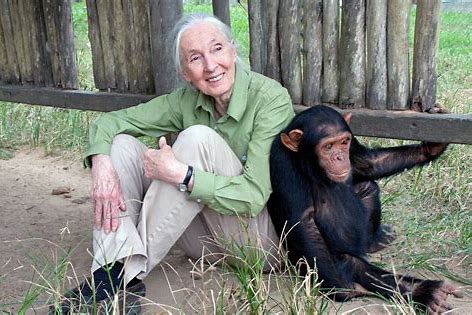
There may come a time when someone wanting to continue as an active and productive member of society becomes a nuisance, an embarrassment or worse. But this is not inevitable. Older people can have much to contribute due to their long experience of life, and it is a mistake to underestimate them on grounds of age. The English environmentalist and chimpanzee expert Jane Goodall recently undertook a lecture tour around the world at the age of 90, and I’m told that her presentation in Auckland was inspiring.

Jane Goodall with a chimpanzee