Trauma on Cheltenham beach

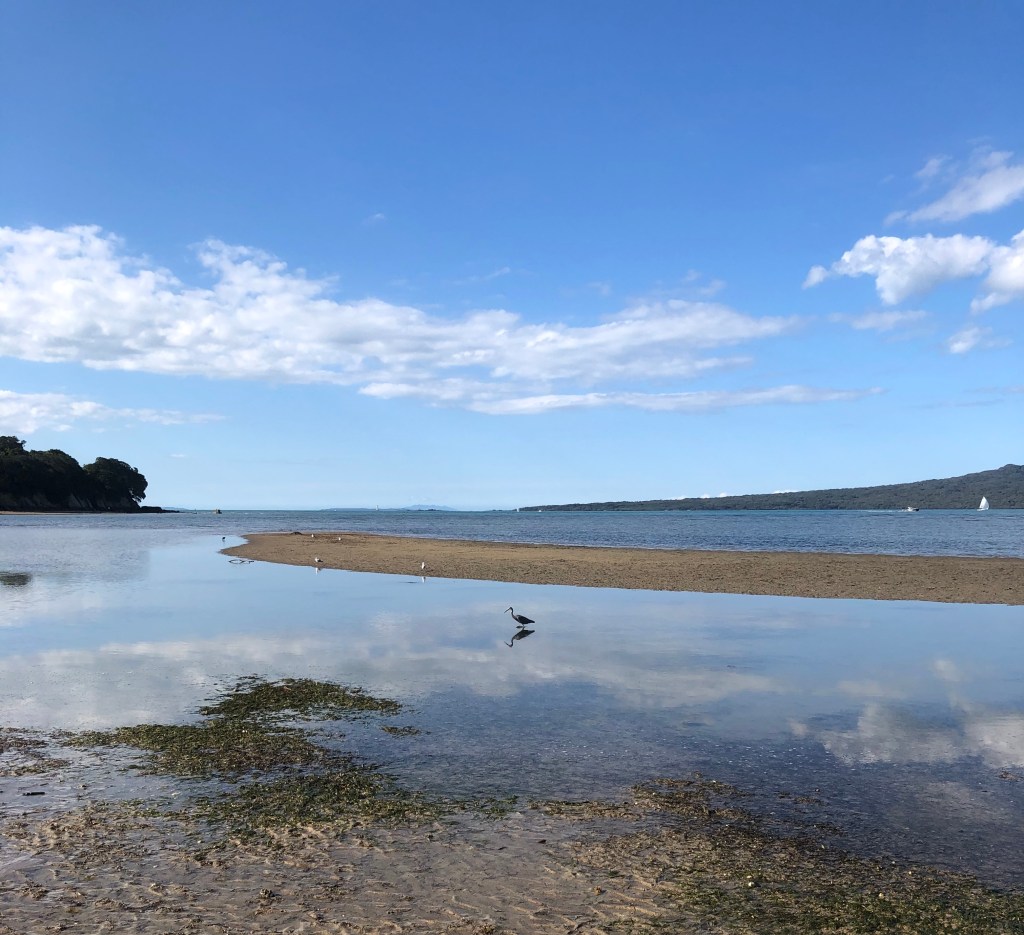
One of the loveliest walks on Auckland’s north shore, only possible at low tide, goes around the headland between Cheltenham and Narrow Neck beaches. Three weeks ago I set out on this walk but slipped over backwards on a wet rock and automatically put out my hand to break my fall. A sharp pain, accompanied by faintness and nausea, told me I had broken my wrist. A kind passerby helped me walk to the road, and a kind friend drove me to an emergency clinic where Xray confirmed a displaced Colles fracture of the radius and fractured tip of the ulna. Over to the public hospital, and a long wait to have the fracture reduced under local anaesthetic. Home at midnight with swollen fingers peeping out from a pink plaster cast.

Having had previous injuries that recovered quite easily, I wasn’t prepared for the long haul ahead. For the first fortnight I was constantly in pain, and struggled with basic self-care. It was a great help to have my husband taking over household tasks, and relatives and friends providing meals. I expected the worst would soon be over, but met with a setback. A followup Xray at the outpatient clinic showed that the bones had slipped back out of place and a further attempt at reduction, this time without local anaesthetic, was unsuccessful.

Surgery was proposed. I packed my bags and spent an anxious few days awaiting the call to come into the hospital, after starving from midnight. But apparently, discussion within the orthopaedic team had reached the conclusion that the likely benefit of the operation was too marginal to justify the risks (and New Zealand had just gone back into another Covid lockdown, limiting hospital services). I’ll find out more at my next appointment this week, but from what I gather so far the recovery will be a slow process and I’m likely to be left with some permanent deformity and weakness. Things could be far worse, I know, and I hope to be able to return to my former activities of dog-walking, cathedral choir, swimming and driving before too long. Meanwhile I can still go for walks, and enjoy the glorious summer weather. And in theory I have plenty of time to work on my next novel, though typing with one hand is cumbersome and inspiration lacking.

I’d like to be able to say that my recent exploration of Stoic philosophy is helping me to cope with all this. A recent article https://classicalwisdom.com/philosophy/stoicism/marcus-aurelius-stoicism-and-pain/ emphasises the basic precept of focusing only on those aspects of an illness or injury that are under personal control – for example making informed choices about treatment, and taking general steps to maintain a healthy lifestyle. There is no point dwelling on the negative aspects, or getting stuck in feelings of resentment, frustration or regret. The aim is to accept the situation and develop a constructive response. Simple basic advice, not so easy to put into practice.

***

Jennifer Barraclough, originally from England and now living in New Zealand, is a retired doctor and a writer of medical and fiction books. Details can be found on her author pages: https://www.amazon.com/Jennifer-Barraclough/e/B001HPXGZI (US) and https://www.amazon.co.uk/Jennifer-Barraclough/e/B001HPXGZI (UK).
Summerland and Hope Gap

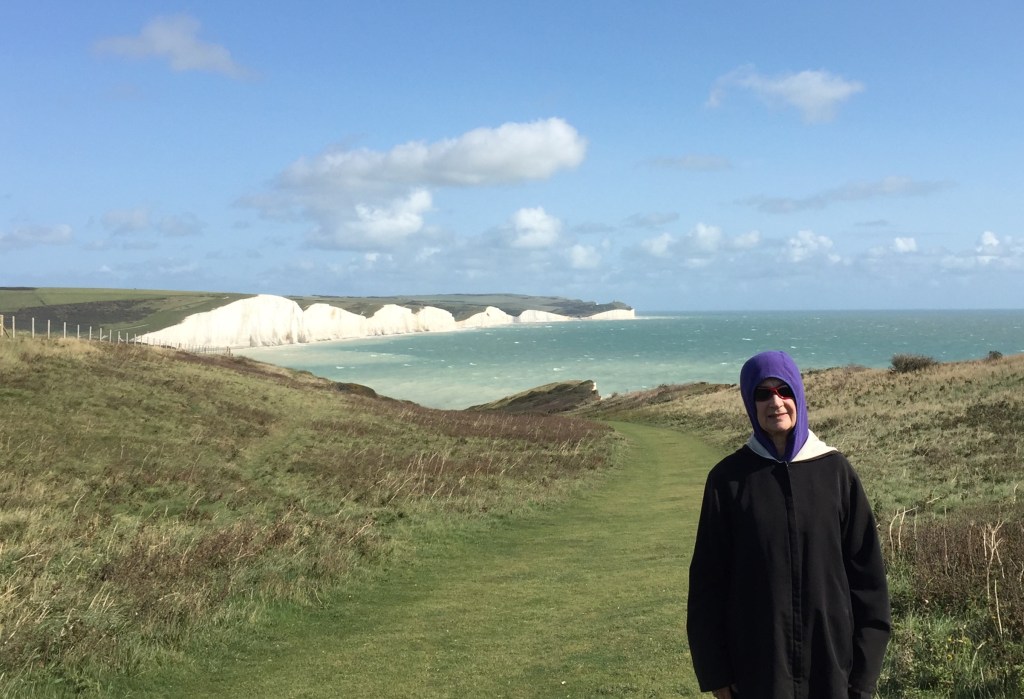
For many years after coming to live in New Zealand in 2000, I was able to make regular return visits to England to see my friends, relatives and favourite places. Spending a day with Lesley, who lives in East Sussex, was a regular feature. After having lunch either at her home or in a local pub we would go for a walk on the windswept downland between Seaford and Eastbourne with its views of the Seven Sisters cliffs (inspiring a scene in my novel You Yet Shall Die) followed by a cup of tea in her beach hut.

My 2020 visit had to be cancelled due to the pandemic restrictions. It’s been some compensation to be able to talk to people on Zoom, and to see my home country on screen. I was excited when Lesley told me that two movies – Hope Gap and Summerland – had been filmed in the area where we used to walk.

Hope Gap, which I saw last year, is a family drama charting the breakdown of the marriage of a middle aged middle class couple. Their young adult son takes long walks by the sea while pondering how to mediate between his introverted father, who has announced that he is leaving to live with another woman, and his melodramatic mother who is devastated by the situation. This film tackles its subject seriously but with touches of humour. It would not be to everyone’s taste, but I found it an absorbing story intelligently told.

Summerland has only just arrived in New Zealand cinemas and I saw it yesterday. The main action is set during World War 2. A reclusive woman writer, embittered since the ending of a lesbian love affair, is furious when she is forced to take in a boy evacuated from bomb-ravaged London. Predictably, her heart eventually softens and the film has a happy ending. I found the story rather sentimental and contrived, but the scenery was lovely. Although allegedly taking place in Kent, most of it had been filmed in the same part of the East Sussex coast pictured above.

***

Jennifer Barraclough, originally from England and now living in New Zealand, is a retired doctor and a writer of medical and fiction books. A list can be found on her author pages: https://www.amazon.com/Jennifer-Barraclough/e/B001HPXGZI (US) and https://www.amazon.co.uk/Jennifer-Barraclough/e/B001HPXGZI (UK).

Stoic perspectives on death and bereavement

New Year’s Eve 2020 was the fifth anniversary of my mother’s death. I have finally destroyed her personal papers (see my earlier post) but the memories, both happy and sad, remain. Many other relatives and friends of my husband and myself have also died in recent years, and we are getting old ourselves. I had a lot of professional exposure to death and bereavement during my medical career, but the personal experience is very different. I’ve been exploring what the ancient Stoic philosophers had to say about this subject, hoping it may prove helpful for coping in future. The Stoics believed in facing up to death as a natural process which is nothing to be afraid of.

A central tenet of Stoicism is that only our own judgments and voluntary actions are “up to us”. Other aspects of life are not, and although some of these “externals” are to be preferred over others, they are best regarded with indifference. Death, an external that is inevitable for all living things, is only bad if we consider it to be so and sometimes may be welcome.

Epictetus: Death is a release from and an end of all pains: beyond it our sufferings cannot extend: it restores us to the peaceful rest in which we lay before we were born.

The Stoics believed that the timing and manner of death, random and cruel as it may seem, is determined by fate and not up to us. This is less true now that advances in medical science have enabled more control over health and longevity than was available to the ancient Greeks and Romans, but much unpredictability remains. We and those close to us are all going to die one day – maybe tomorrow. Frequent contemplation of this prospect (the Stoic practice of memento mori), is not intended to promote morbid obsession, but to emphasise the importance of making the most of the “festival of life” every day, not wasting time, and appreciating our loved ones while they are still here.

When a loved one dies there will inevitably be distressing reactions such as shock, grief and anger. While negative emotions in the short term are natural, the Stoics advised aiming to move on as soon as possible towards a calm acceptance of the person’s death; continuing to remember them often, but with love and appreciation rather than with sorrow.

Seneca: Thinking of departed friends is to me something sweet and mellow. For when I had them with me it was with the feeling that I was going to lose them, and now that I have lost them I keep the feeling that I have them with me still.

This approach will appeal to some people, while striking others as unrealistic or heartless. It is rather different from today’s prevailing view of mourning as a gradual process of working through the “stages of grief” over many months, perhaps with the aid of bereavement counselling. Everyone is different, and the best way of coping depends on individual personality and circumstances. One idea I have found helpful myself is to think of the deceased as having been “reclaimed by nature”, as all living things will be one day, rather than “lost”.

Epictetus: Is your child dead? It has been given back. Is your wife dead? She has been returned.

What about the soul or spirit, and the question of an afterlife? As I understand it the Stoics believed that death is probably followed by the same oblivion that existed before birth, and that individual immortality is unlikely.

Marcus Aurelius: Just as on earth, with the passage of time, decaying and transmogrified corpses make way for the newly dead, so souls released into the heavens, after a season of flight, begin to break up, burn, and be absorbed back into the womb of reason, leaving room for souls just beginning to fly. This is the answer for those who believe that souls survive death.

***

Jennifer Barraclough, originally from England and now living in New Zealand, is a retired doctor and a writer of medical and fiction books. A list can be found on her author pages: https://www.amazon.com/Jennifer-Barraclough/e/B001HPXGZI (US) and https://www.amazon.co.uk/Jennifer-Barraclough/e/B001HPXGZI (UK).

Changing choirs

Twenty years ago I joined the alto section of the choir of St Patrick’s Cathedral in Auckland. My previous musical experience had been rather limited – as a child I reluctantly attended some piano lessons, and as a student I sang in the chorus of The Pirates of Penzance. But in 2001 the cathedral choir was open to anybody who wanted to join, no audition required. There were about 30 members. It was all new to me but I sat next to an experienced singer, Marion, who took me under her wing and has remained a close friend ever since.

I loved singing the sacred music, including well-known classics such as Mozart’s Ave Verum Corpus and Franck’s Panis Angelicus, Renaissance motets by composers such as Tallis and Palestrina, and occasionally more modern works such as John Rutter’s Magnificat. I bought a piano, took some more lessons and did well in a theory exam although my practical skills hardly improved.

Apart from the beauty of the music, a benefit of belonging to the choir was meeting people of all ages and a wide range of nationalities including Filipino, Samoan, Korean, Chinese, American, French as well as both Maori and Pakeha native New Zealanders. I was usually the only English person there.

Over the years there were many changes. Old members left, new ones joined, and we had a series of musical directors each with their own different methods. The trend has been towards a smaller group with stricter technical standards.

Belonging to the choir was a wonderful experience but couldn’t last for ever. Others had retired when they turned 70 – I stayed till 74, but was starting to find it arduous. The rehearsals and services were longer than in the old days, transport from home was more frequently delayed, and decreasing stamina made it harder to cope with the physical demands. After breaking my wrist recently I had to take two months off anyway, and then I made the hard decision not to go back. Leaving felt sad, and still does, though I do appreciate having extra free time on Sunday mornings.

I wanted to continue some singing, because I enjoy it very much and it has many proven benefits – physiological, intellectual, emotional, spiritual and social. So I have now joined a women’s community choir, which is more local, and involves attendance only once a week instead of twice. The atmosphere is relaxed and friendly, but some of the music is quite challenging, with songs in various styles from around the world forming quite a contrast to the repertoire at St Patrick’s.

Books I’ve enjoyed #8

Continuing my bi-annual list of book recommendations, here’s a selection from my reading list of recent months.

Literary fiction: I presume it’s just coincidence that the two novels I’ve enjoyed the most are both about inhibited older Englishmen with links to former British colonies. Old Filth by Jane Gardam, in which an old judge takes stock of his complex past life, is a masterpiece. The Mission House by Carys Davies, a much shorter book, is an elegantly written story about a depressed librarian’s sojourn in the hills of India.

Stoic philosophy: Though I have yet to tackle any of the ancient texts, a recent interest in this topic has led me to read several modern ones. Lessons in Stoicism by John Sellars gives an excellent short introduction. I have also enjoyed books by Donald Robertson, William Irvine and Massimo Pigliucci. Next year I intend to work through The Daily Stoic Book by Ryan Holiday and Stephen Hanselman.

Psychological thrillers: I read a lot of novels in this genre, and here are three of the ones I’ve enjoyed most. I was interested in Stone Mothers by Erin Kelly because it is set in an old county mental asylum similar to those where I worked many years ago. Here to Stay by Mark Edwards is a gripping account of an in-laws’ visit which goes from bad to worse. Who Did You Tell by Lesley Kara is about a young woman in a seaside town struggling to maintain sobriety and come to terms with an event from her past.

Biography and memoir: A Bit of a Stretch, the diary kept by Chris Atkins during his spell in a London prison, describes the appalling conditions in a darkly humorous style. Unorthodox by Deborah Feldman, the book on which a recent Netflix hit was based, is about her repressed upbringing in an ultra-orthodox Jewish community in New York. On Chapel Sands by Laura Cumming, set on the Lincolnshire coast, describes a different kind of unhappy childhood in gentle prose.

From my large pile of other books waiting to be read over the Christmas and New Year holidays, I’ve just started reading How to Walk a Dog by Mike White; a collection of entertaining though sometimes poignant true stories about the human-canine bond.

***

Jennifer Barraclough, originally from England and now living in New Zealand, is a retired doctor and a writer of medical and fiction books. A list can be found on her author pages: https://www.amazon.com/Jennifer-Barraclough/e/B001HPXGZI (US) and https://www.amazon.co.uk/Jennifer-Barraclough/e/B001HPXGZI (UK).

Photo by Pixabay on Pexels.com

“Wellbeing for Writers” revisited

Five years ago I wrote a short ebook called Wellbeing for Writers, based on my experience of having writers as clients in my life coaching and Bach flower practice, and on the rewards and challenges of my own writing career. It contains practical tips about technical and commercial aspects for those new to the field, but is mainly focused on psychological ones that may also be relevant for experienced authors. Why do you write, and is it primarily for yourself or for your readers? How to protect time for writing when working from home with family responsibilities? How to respond to rejection and criticism? How to overcome a phobia of marketing? How to avoid the physical and mental health problems that particularly affect writers? What personal qualities and values are relevant to fulfilment and success?

Wellbeing for Writers had sales and positive reviews to begin with, but then lapsed into obscurity like so many of the other books on Amazon (according to one unofficial estimate, there are over 48 million of them now). I had more or less forgotten about it myself until an email inquiry prompted me to read it again and make a few updates.

Revising an older book can be a rather tedious task and is often neglected, though with non-fiction topics for which new knowledge and information frequently become available, it really ought to be done every few years. The content of Wellbeing for Writers required little change apart from a few corrections. Some of the website links had become invalid and, to my embarrassment, I found that Virginia Woolf’s name had been wrongly spelled in the original version.

Wellbeing for Writers by Jennifer Barraclough, ASIN B00YWEK97Y, is available from your local Amazon store in Kindle format (if you don’t have a Kindle you can read it with the Kindle App on another device).

Stoicism for writers and healers

I’ve been reading some basic books about Stoic philosophy, which originated in Ancient Greece and Rome, and describes a path to a good and happy life lived in harmony with others and with nature. It has much in common with other systems and many of the ideas were already familiar to me from Buddhism, Christianity and modern psychological therapies, but it is refreshing to have them presented in clear practical terms. Here are a few thoughts from a novice student of Stoicism.

One of the principles stated by Epictetus (50-135 AD) resonates strongly with me. He wrote that “some things are up to us and some things are not up to us”, so it follows that we are well advised to focus only on what is within our control – which includes very little except our own judgements and behaviours. This may sound simple and obvious (and the “serenity prayer” of St Francis, which I have heard so many times, says something similar) and yet I am certainly not alone in having wasted much futile effort and distress over things which I have no power to change. Applying this principle would avoid many of the hassles of daily life, such as frustration in a traffic jam or irritation with an untidy workmate. It is also relevant to both the two fields – writing and medicine – in which I have spent my career.

As a writer it is up to me to make my books “the best they can be”, to choose whether to submit them to traditional publishers or to publish independently, and decide how much time and money to spend on marketing. But whether people want to buy my books, and whether readers like them, is not up to me. So there is no point in getting upset over rejection letters, lack of sales or negative reviews – in theory. In practice, overcoming the desire for external validation and becoming more tolerant of criticism requires mental discipline and training.

Turning to the medical field, again there is a dichotomy between what is “up to us” and what is not in relation to physical health. We can make choices about many aspects of our lifestyle and behaviour, such as diet and exercise, in the hope of preventing or recovering from disease. But there is no guarantee that our efforts will be successful, and nor can we change some of the other factors such as our genetic susceptibilities, exposure to pathogens in the environment, the inevitable deterioration of our bodies as they age. The dichotomy between what we can or cannot control is not always acknowledged. Some put all their faith in external treatments with drugs and surgery, and ignore what patients can do to help themselves. Others advocate total personal responsibility for health, and risk making patients feel guilty for being ill. Both extremes are potentially dangerous.

There is of course much more to Stoic philosophy than this and, having enrolled in the annual online event Stoic Week which is about to start, perhaps I will write more blog post(s) on this subject.

Why I still admire Agatha Christie

I loved Agatha Christie’s books when I was a teenager. I read most if not all of her 66 crime novels featuring the detective skills of Hercule Poirot or Miss Marple, and occasionally other characters such as Ariadne Oliver or Tommy and Tuppence. Many years later I still have a few dogeared paperback versions, passed down from my mother’s estate, and look at them occasionally.

Agatha Christie’s writing career spanned more than 50 years, from 1920 to 1974. The majority of her books are set between the two world wars, a period that has been called the Golden Age of detective fiction. They seem old-fashioned today, yet I still find them appealing, and am obviously not alone in this. Her novels are still widely read, and new dramatisations and pastiches of her work and biographies of her life continue to be produced.

What is the secret of their enduring popularity? For me, there are several reasons:

The plots, mostly following a classic “whodunnit” formula, are extremely ingenious. Although there are clues scattered throughout the books, the solutions cannot easily be guessed before the end. It is said that the author herself often did not know the identity of the murderer until she had written the first draft, which seems amazing if it is true.

The books provide an authentic picture of an England that no longer exists – a time when life was simpler and more slowly paced, comfortable middle class families in quaint villages or country houses were supported by domestic servants who knew their place, and male and female roles were clearly defined. Whether you feel some sense of nostalgia for those days, or are thankful they are gone, it is interesting to read about a relatively recent period of English history so different from today.

Agatha Christie’s style is highly readable. She had a remarkable gift for writing with a light and sometimes humorous touch, but without trivialising the serious subject of murder. Her characters, if somewhat stereotyped, are mostly sympathetic. There is no graphic sex or violence in her books, and they are often categorised today as belonging to the “cozy crime” genre – a term which seems to me to devalue them. They are quite short, I think around 60,000 words. Many modern crime novels are twice that length, but personally I find the more concise format more satisfying.

As you can see from its cover image, there are references to Agatha Christie’s work in my own recent novel You Yet Shall Die. Set in rural England between the 1950s and early 2000s, it is a story of family secrets and discovery of a long-ago crime. If you haven’t had a chance yet, please have a look on Amazon.com or Amazon.co.uk.

“Beautiful Vibrations”: Living through medical illness with Bach flower remedies

Dr Edward Bach described his flower remedies as having “beautiful vibrations” capable of promoting positive mental states such as hope, courage and calm. Established as a safe and natural therapy for almost 100 years, they can help to relieve the emotional distress often associated with physical illness. This short practical guide explains how to select and use the remedies as part of a holistic approach to healing. There are sections on common problems such as anxiety and sadness about the medical condition and its treatment, and difficulty in adjusting to changes in lifestyle and relationships. Despite all its negative aspects, serious illness can have “silver linings” and the flower remedies can help to bring these out.

Dr Jennifer Barraclough is a former consultant in psychological medicine with many years’ experience of working with patients and their families especially in cancer care settings. She is also a qualified Bach flower practitioner, life coach, and author of fiction and nonfiction books.

Beautiful Vibrations is available from your local Amazon website:

Amazon US: Kindle, Paperback

Amazon UK: Kindle, Paperback

Amazon AU: Kindle

Author profile pictures

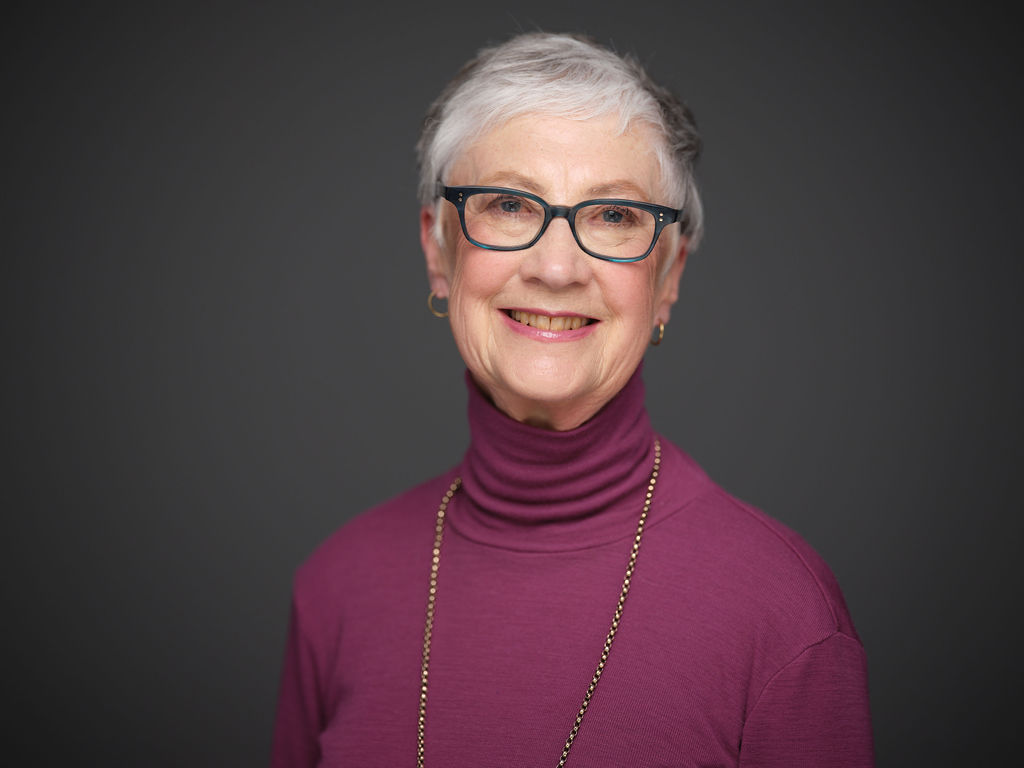
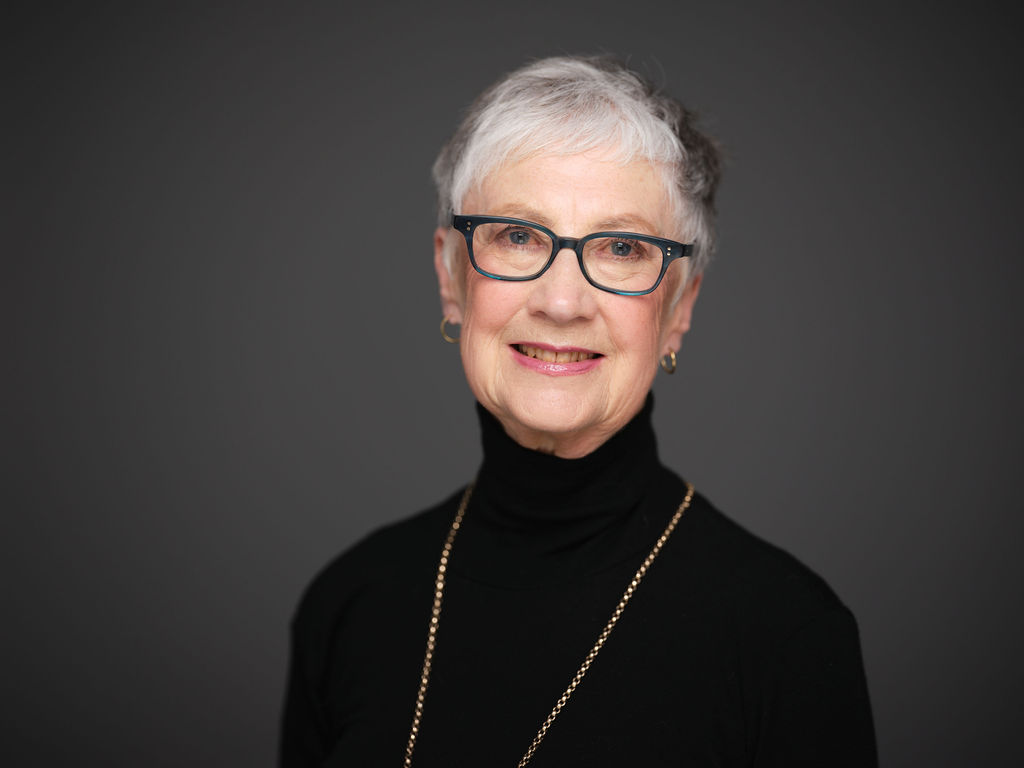
During the interval between lockdowns I decided to have some professional portrait photos taken, for use on my website and elsewhere. I was quite nervous before my session at headshotstudio.co.nz in central Auckland, but the afternoon with photographer Richard and makeup artist Ruth turned out a very enjoyable experience. 

I had previously been using some amateur photos on my social media. The snaps of me holding cats or kittens were nice but maybe too informal. I rather liked another which showed me drinking wine at a cafe but perhaps this gave the wrong impression.

Like book covers, which I wrote about in my last post, author photos are a marketing tool which should ideally convey an impression appropriate for their genre. A crime writer might want to look slightly sinister or mysterious, a romance writer attractive and glamorous, a writer of medical books serious and academic. When I read a book I always hope to see a photo in the About the Author section at the back, though sometimes there isn’t one.

As I have written in several different genres myself, I aimed for nothing more specific than having a nice picture taken before the ravages of time affect my appearance any more than they have already. Here are the two of the best ones from my recent shoot.