
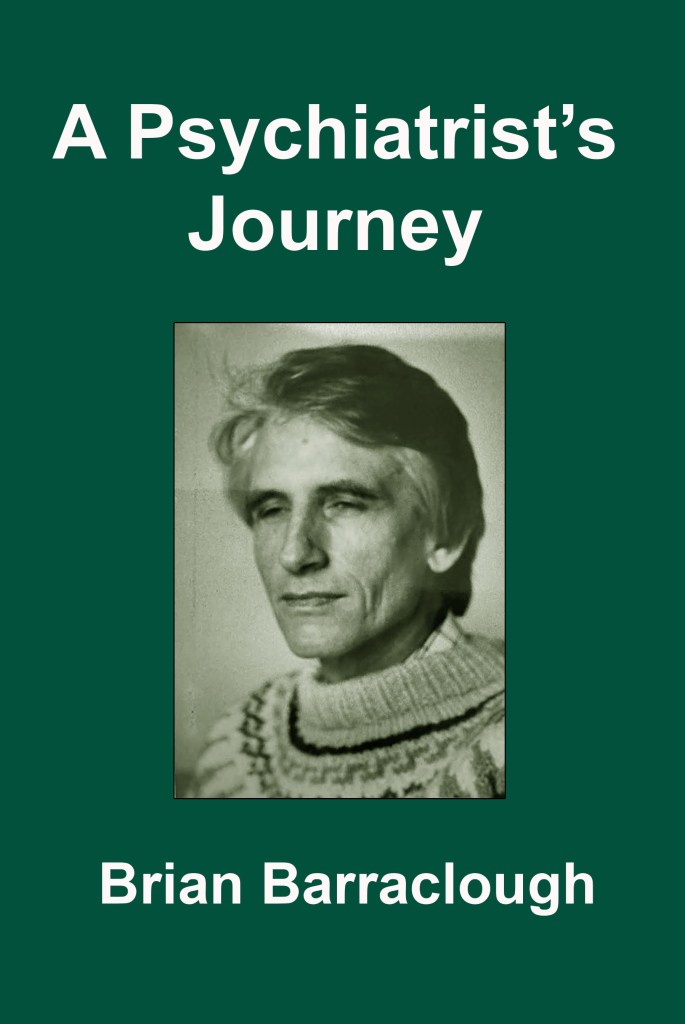
I’ve written this post in the form of an advice column, in the light of my experience following the death of my husband Brian. Nothing can take away the anguish of losing a beloved partner, but things can be done over the preceding months and years to make it easier to cope when the time comes. Some of this advice may sound very obvious but is often neglected.
- Don’t put off talking with your partner about what will happen after one of you dies, upsetting though such conversations may be. It can be easy to avoid the topic when you are young and fit and assume you will live for years to come. But if you wait too long it may be too late for meaningful discussion because of illness, deafness, confusion or extreme old age.
- Keep your finances and online presence in order. Besides making a will, write more detailed document(s) including such things as your wishes for end of life care, funeral arrangements, a list of your accounts with official bodies and social media platforms even if you don’t want to reveal full access, and any other information that will make it easier to settle your estate. These documents can be stored securely with a lawyer and/or family member. Update them every few years.
- Be prepared to take over each other’s roles. There are still some traditional marriages in which the man never learned to cook and the woman never learned to drive. I was already dealing with the everyday running of our own household and its finances, but am not mechanically minded and have needed help with some quite simple practical tasks that I used to leave to Brian.
- Declutter from time to time. A burdensome aspect of dealing with Brian’s estate, also with my mother’s estate ten years earlier, was going through multiple boxes containing papers like old bank statements, and personal documents which were not meant for me to read. It felt disloyal to throw such things away, but few of them needed to be kept and I disposed of the majority by hiring a large “secure document destruction bin”.
- Keep some selected physical items such as items of clothing, letters, cards, photos and videos. Looking back at photos of Brian, and of the two of us together, continues to be tremendously important to me and I have printed out some of the digital ones to keep in a special album. Electronic records are not a substitute for tangible keepsakes, and they can be lost.
- However close the relationship, maintain some friendships and interests that can be carried out independently of your partner. Brian didn’t join me in choral singing or dog walking, but I have continued these activities and the social contact has been very helpful in coping with bereavement. In contrast some of the things we used to do together, like going to Waiheke Island for lunch, are not much fun on either my own or with someone else.
- Don’t leave important things said or questions unasked. Even if the intense early romance has passed, keep telling your partner that you love them.
 Jennifer Barraclough