Too many photos

Since buying my first iPhone I have taken thousands of photos, which have been stored rather haphazardly in various locations on my computer, some identified only by their numbers. I recently resolved to declutter and reorganise my digital files, prior to updating my devices. Labelling all the photos and allocating them to folders has proved a massive task, made harder because of my somewhat obsessional nature. How to classify them? Some belong in more than one category – animals, husband, family, friends, holidays, me with different hairstyles. Which to keep? I don’t like deleting any, apart from a few duplicates and photos of people I no longer recognise.

The project – still not quite finished – has sometimes felt overwhelming. For a while I was rushing to get it done, and wishing I hadn’t started it at all. But it seemed too late to give up, so I resolved to take a more thoughtful approach and appreciate all the images for the happy or sad memories they evoked.

Doing this has been a poignant reminder of the transience of life. Many of the people and animals in the photos have now died. The appearance of myself and my husband has changed over the years, and not for the better. I may never want to look back at these files again myself, and I have no close family so nobody else will want to keep them after my death. Anyway, they might all have been wiped out by some technical disaster by then. I was reminded of the Tibetan Buddhist monks who create beautiful mandalas made of coloured sands, and then deliberately destroy them.

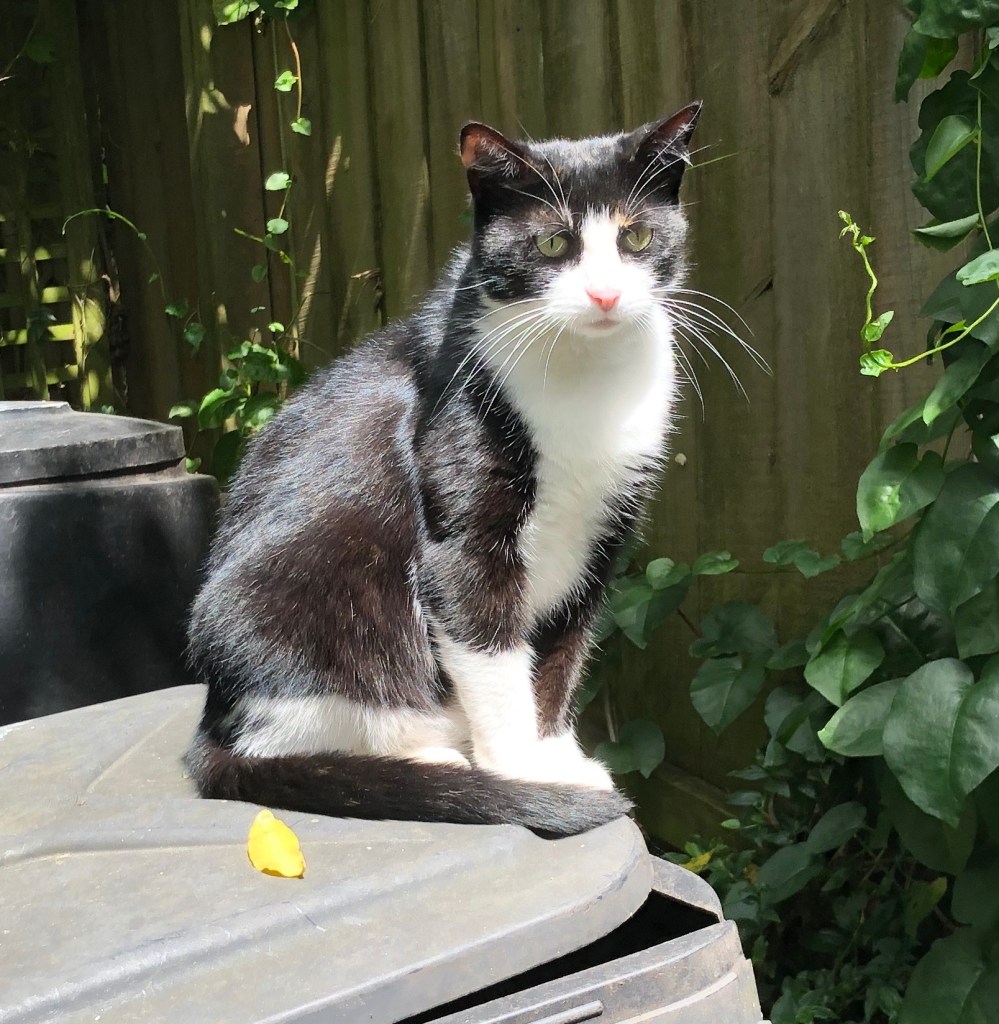
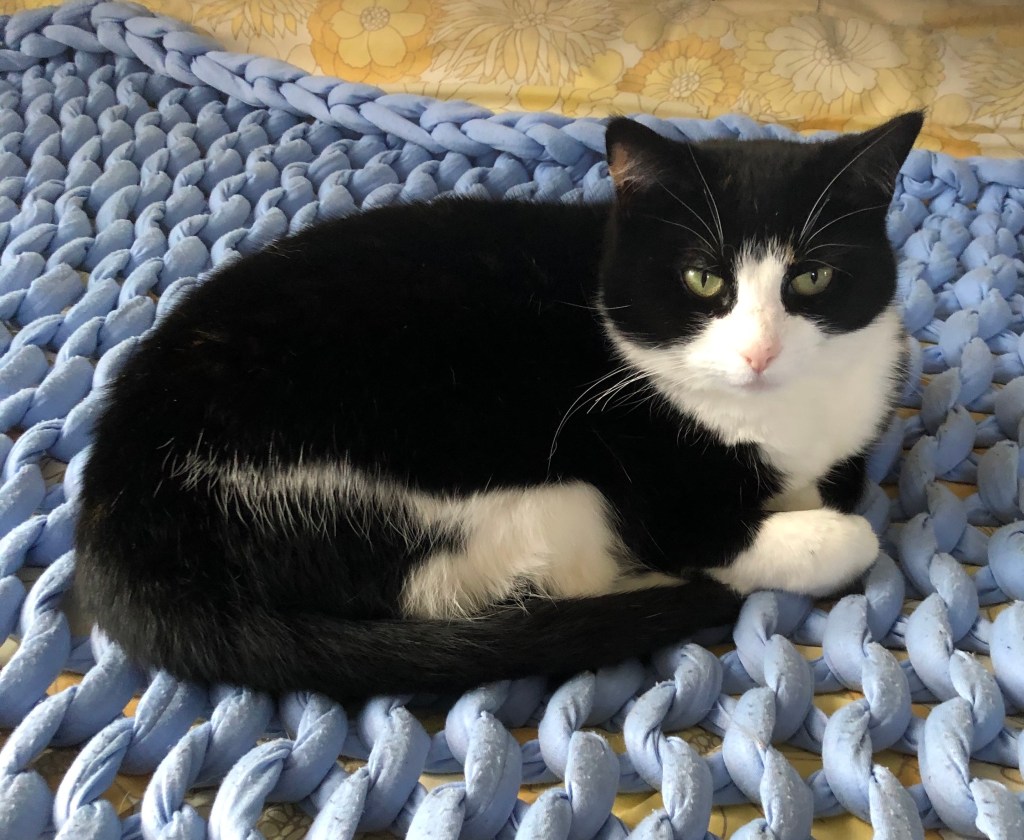
Only read on if you like cats. I usually include some photos in my posts, but couldn’t decide which to choose from among so many, so I decided just to feature the cats who have lived with us since we moved to New Zealand. Excluding all the foster kittens, there have been seven long term residents, two of whom – Magic and Leo – are still alive. It was quick and easy to find their photos, which made me think that the project has been worthwhile after all.
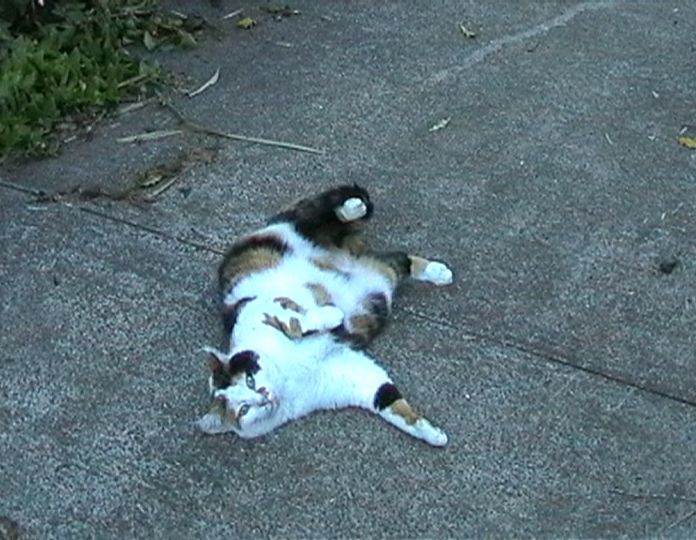
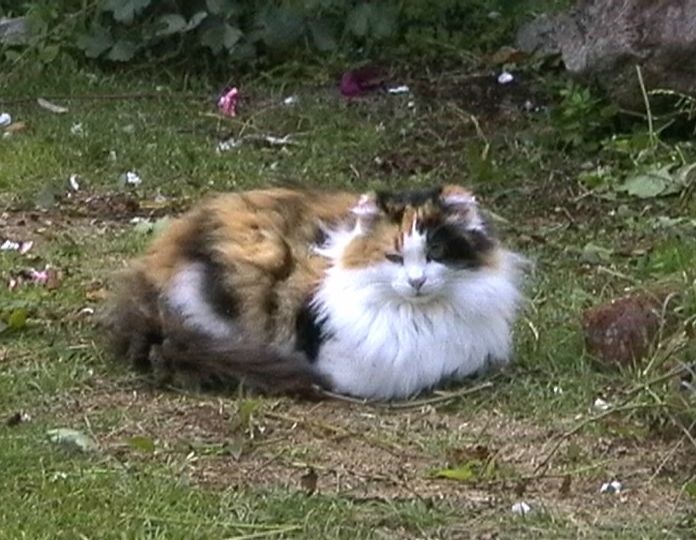
Cinderella
Floella (daughter of Cinderella)
Felix
Daisy
Homer
Magic
Leo

Preventing migraines – beyond medication

Feverfew, Tanacetum Parthenium

This is not an “anti-drug” post – I fully accept that prescribed medication is the mainstay of migraine prevention. Certain beta-blockers, antidepressants and anticonvulsants are long established for reducing the frequency and severity of attacks, and the newer CGRP inhibitors have even better results. But none of these drugs work for everyone, and all of them can have unwanted side effects. I took propranolol for many years with some benefit, but then its effect seemed to wear off. I then decided to look more closely at what lifestyle factors triggered my attacks, and to explore some complementary therapies that seemed more “natural” and gave me more choice and control over managing my health. Many of the non-drug options for migraine prevention are supported by evidence from clinical trials as well as by anecdotal reports, but the orthodox medical approach tends to focus on drug treatments alone. My new book Migraine and Me: A Doctor’s Experience of Understanding and Coping with Migraine aims to give a more holistic overview. Here is a brief summary of some of the preventive methods it describes. They do not offer a cure for migraine but, whether used alongside drugs or instead of them, they can help. Most of them are relevant to other chronic medical conditions too.  

Being instructed to eat better food, get more sleep, take more exercise, stop smoking, drink less, and reduce stress can be irritating – but these deceptively simple “healthy living” guidelines can make a real difference. There are special considerations for migraineurs such as not going too long between meals, and identifying triggers in the diet and environment.

Dietary supplements which have been found effective include magnesium, B vitamins and Coenzyme Q. The herb feverfew, illustrated, is available in capsule form but the most natural way to take it is by chewing its leaves, as described in one of the case histories in my book.

Relaxation techniques can help by activating the parasympathetic “rest and digest” branch of the nervous system, as opposed to the sympathetic “fight or flight” branch which tends to be overactive in migraineurs. Relaxation is a component of many other therapies such as biofeedback and massage.

 Psychological therapies may be regarded with suspicion because they are thought to imply that migraine is “all in the mind” rather than being a neurological disease with a genetic basis. I am certainly wary of psychoanalytical theories that cite repressed anger or sexual conflicts as being the cause. But more practical approaches such as cognitive behavioural therapy (CBT) can alleviate the mental distress and social difficulties that make it harder to cope with attacks and may well be exacerbating them.

Creative activity through art, music or writing is a way of processing emotions around migraine. If the results are made public, they can contribute to understanding of the condition. Some works by historical figures such as Richard Wagner and Vincent van Gogh are thought to have been inspired by the migraine experience.  

These and other approaches are covered in more detail in Migraine and Me: A Doctor’s Experience of Understanding and Coping with Migraine, available in both print and e-book versions from your local Amazon site and other online retailers. Please forward this post to anyone in your circle who may be interested.

When is it time to stop?

Watching Joe Biden’s determination to cling on to power despite his obvious physical and mental decline has made me think again about a question that keeps arising as I get older: Is it better to stop doing things while the going is good, or to carry on till it is clear you are not coping?

I am a few years younger than Biden. I feel fit and well, in fact better than before since my sleep pattern has improved and I have grown out of the migraines that plagued my earlier life. And yet, looking back over the last few years I realise what a lot of my former activities I have given up. This has sometimes been because of external factors outside my control, such as family illnesses and transport difficulties and lockdown effects, but also reflects the gradual loss of energy and confidence that comes with aging.

Not all the changes are bad. My life is quieter, and more locally based. I still enjoy driving but no longer fancy long trips, which must reduce my environmental footprint. I have resigned from my previous choir over in Auckland city, but joined another which is nearer and requires less time commitment. I don’t do sessions at the animal rescue centre any more, but help to look after two dogs as well as my own two cats. I closed my Bach flower client practice some time ago, but still make up remedies for friends. Instead of the film society in the city, I go to the local cinema or watch DVDs at home. I have joined a book group, dance and TRX exercise classes in the village where I live, and made a few new friends there. I still love writing and would hate to give that up, yet I don’t write as fluently as I used to, nor do I have so many new ideas. I don’t want to be like well-known authors such as Agatha Christie and PD James, whose later novels were so inferior to their early ones. Perhaps my latest book Migraine and Me will be my last.

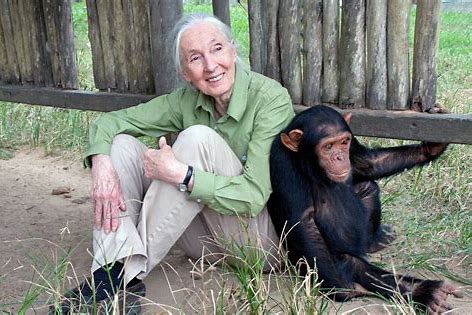
There may come a time when someone wanting to continue as an active and productive member of society becomes a nuisance, an embarrassment or worse. But this is not inevitable. Older people can have much to contribute due to their long experience of life, and it is a mistake to underestimate them on grounds of age. The English environmentalist and chimpanzee expert Jane Goodall recently undertook a lecture tour around the world at the age of 90, and I’m told that her presentation in Auckland was inspiring.

Jane Goodall with a chimpanzee