

In 2015 my husband Brian had major cardiac surgery. I wrote some posts describing his operation and gradual recovery on this blog – here are the links to Part 1, Part 2 and Part 3. Now it’s time for another episode. Writing about these experiences is my way of processing them, and maybe reading about them will be helpful for other patients and their partners who are going through something similar.
The operation was successful, and Brian remained fit and active both physically and mentally for the next eight years. Then he became slightly less well, with a more irregular heartbeat, and more shortness of breath when climbing up the 68 steps on the hill behind our house. These changes happened slowly and neither of us took too much notice – after all, it would seem normal to be slowing down at the age of 90. But after seeing the results of Brian’s routine followup echocardiogram, his cardiologist was concerned and arranged a series of further investigations.
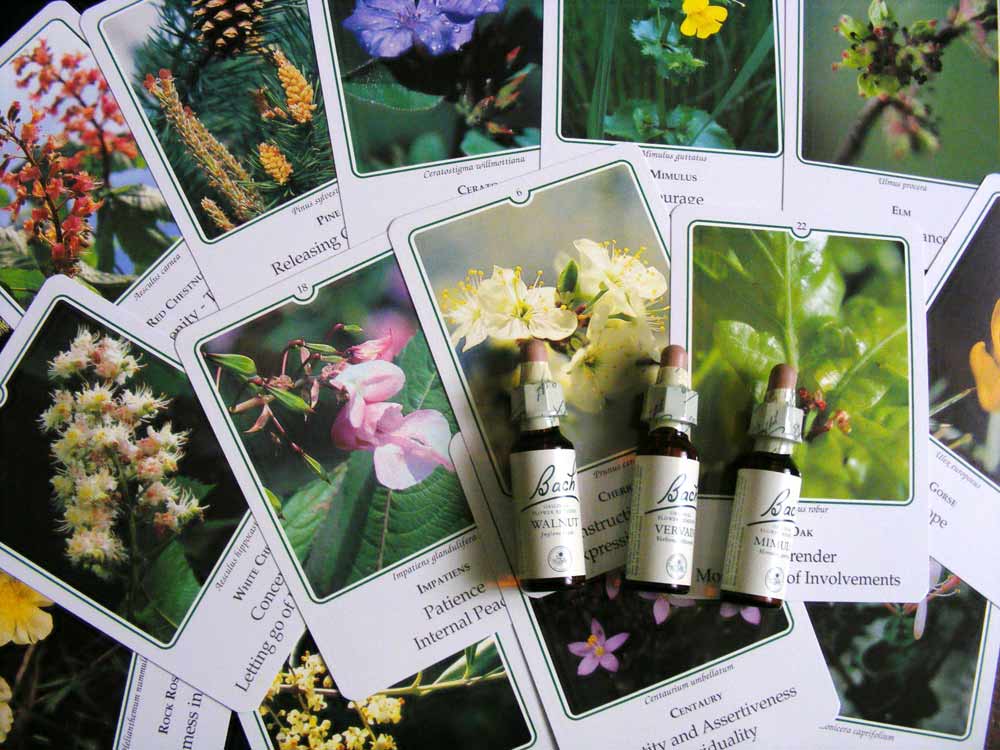
These included a Transoesophageal Echocardiogram, CT Coronary Angiography, and Coronary Angiogram. Performed at weekly or fortnightly intervals, with blood tests in between to check Brian’s renal function, each of these tests involved spending a long morning at our local North Shore Hospital. They were not without risk, because they required sedation and/or arterial injection of contrast media, but Brian tolerated them well. He was understandably anxious during this period and I gave him a course of Bach flower remedies, Mimulus and White Chestnut, which seemed to help. When all the tests were complete we saw the cardiologist again. He said that the porcine aortic valve inserted in 2015 was broken and that Brian needed another operation “soon” – otherwise his prognosis would be very poor.
Brian said that he didn’t feel ill, so was rather reluctant to have another operation at his age, even though it would be a far less invasive procedure than the open heart surgery he had before. But he did agree, and on the following Monday I got a call from Auckland City Hospital asking us to come straight in that afternoon. Brian was given a single room, and hooked up to an ECG monitor. I tried to concentrate on reading while he had various tests, was visited by the anaesthetist and cardiologist, and was shaved all over in preparation for his TAVI at 7.30 a.m. next day. I went home in the evening and fed the cats.
TAVI stands for Transcatheter Aortic Valve Implantation. The procedure, which takes about two hours, is carried out under light anaesthesia. It involves making an incision in the groin to access the femoral artery, through which the new valve (formed from either porcine or bovine tissue) is delivered to the heart on the end of a catheter. Another incision is made in the radial artery, near the wrist, for the injection of contrast media to allow the procedure to be monitored by x-ray. There is a large team of clinicians involved: two interventional cardiologists, a specialist nurse, other nurses, cardiac physiologists, and radiographers.
It seemed pointless for me to go back to the hospital until Brian was out of the operating theatre, so I stayed at home and occupied myself by changing the bedlinen. In the middle of the morning a doctor rang to tell me that the operation had been completed successfully. I had not realised quite how stressed I was feeling until, on hearing this news, I burst into tears. When I returned to his room about noon I found Brian conscious and lucid though looking rather strange, with most of his body covered in a red dye, and wound dressings on his arms and legs.
Having had another echocardiogram to check that his new valve was working well, Brian was discharged the evening after his operation. A few days later he was feeling reasonably well, still needing to rest much of the time but able to go out for short walks. Full recovery is likely to take a month or two. It is wonderful to see what modern medical technology can achieve, and hopefully Brian’s TAVI will be followed by another long period of good health.
Update: I was going to publish this post last week but then Brian had a serious setback due to bleeding from the bowel. Apparently this can happen after a TAVI for various reasons. He required emergency admission to hospital and was very unwell for several days, but improved after a series of blood transfusions, and is now happy to be back home. He needs to rebuild his strength, and will be having further outpatient investigations to see whether there is a correctable cause for the bleeding.
 Jennifer Barraclough